WEST POND LIVING SHORELINE RESTORATION PROJECT
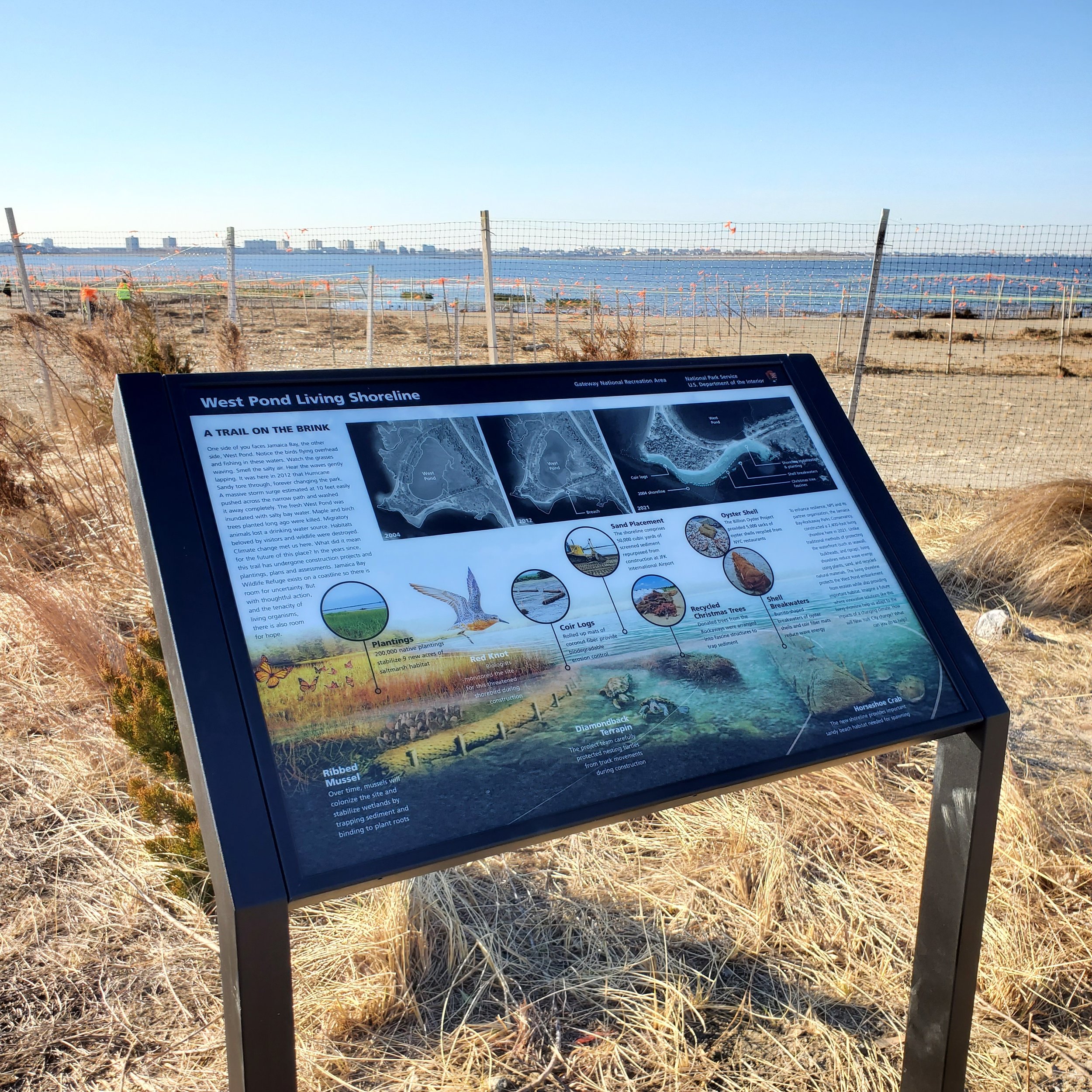
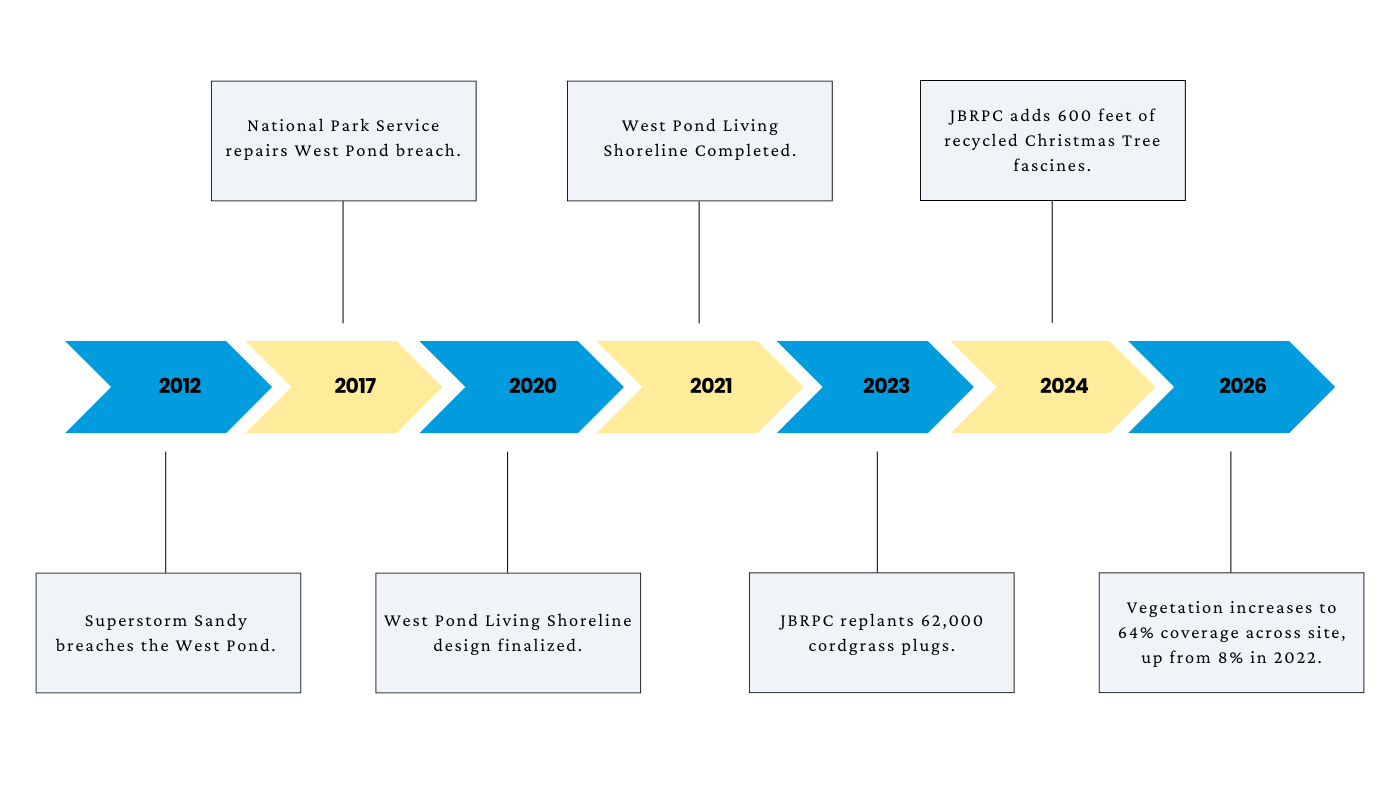
In 2012, Jamaica Bay Wildlife Refuge’s freshwater West Pond was breached by Superstorm Sandy.
Extreme tidal action from Superstorm Sandy washed away the most vulnerable edge of Jamaica Bay Wildlife Refuge’s freshwater West Pond, which serves as a vital stopover for migrating birds, and a permanent home for thousands of crustaceans, amphibians, pollinating insects, and native vegetation. The intrusion of saltwater destroyed this ecosystem’s balance.
Piloting a living system
65,000+
native plants installed
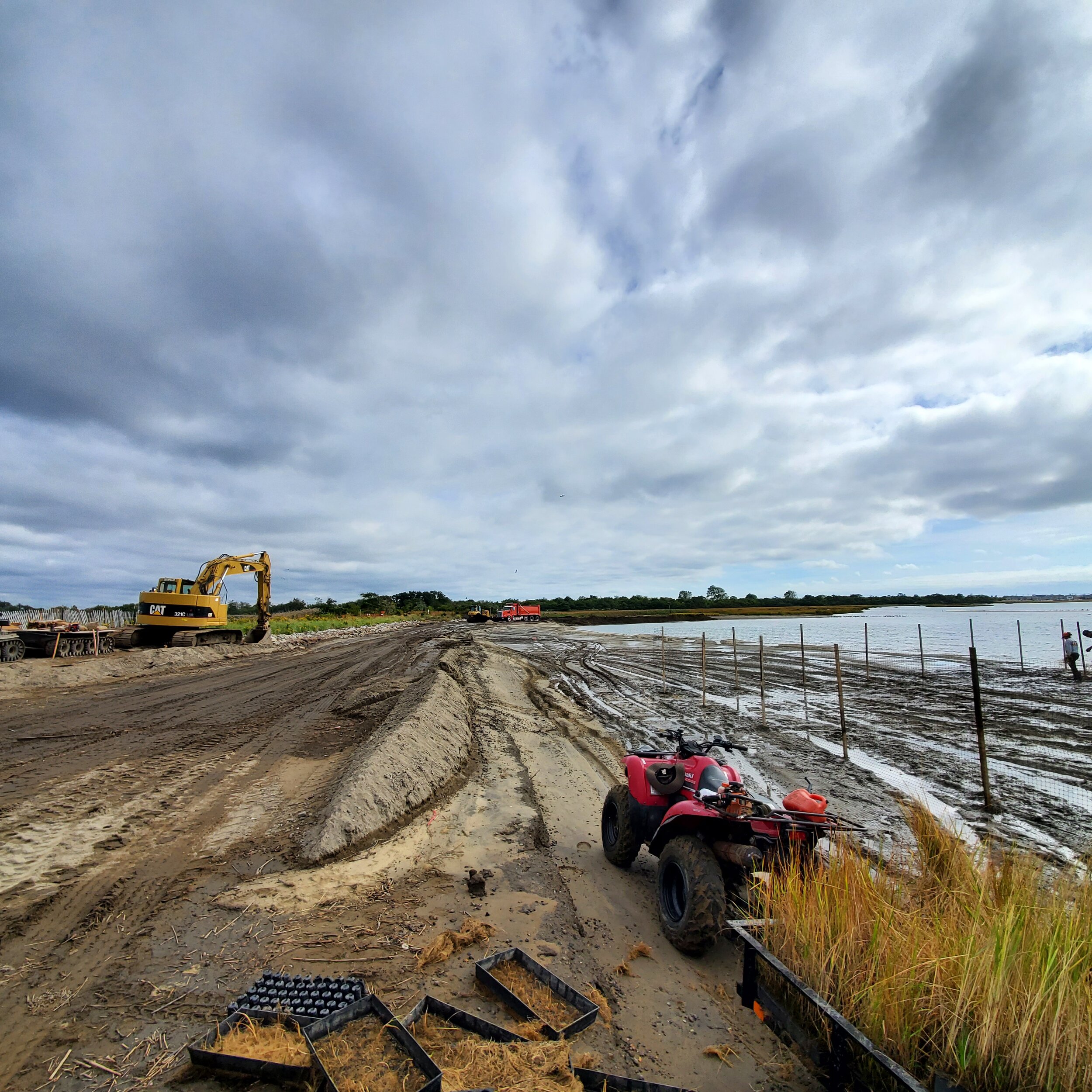
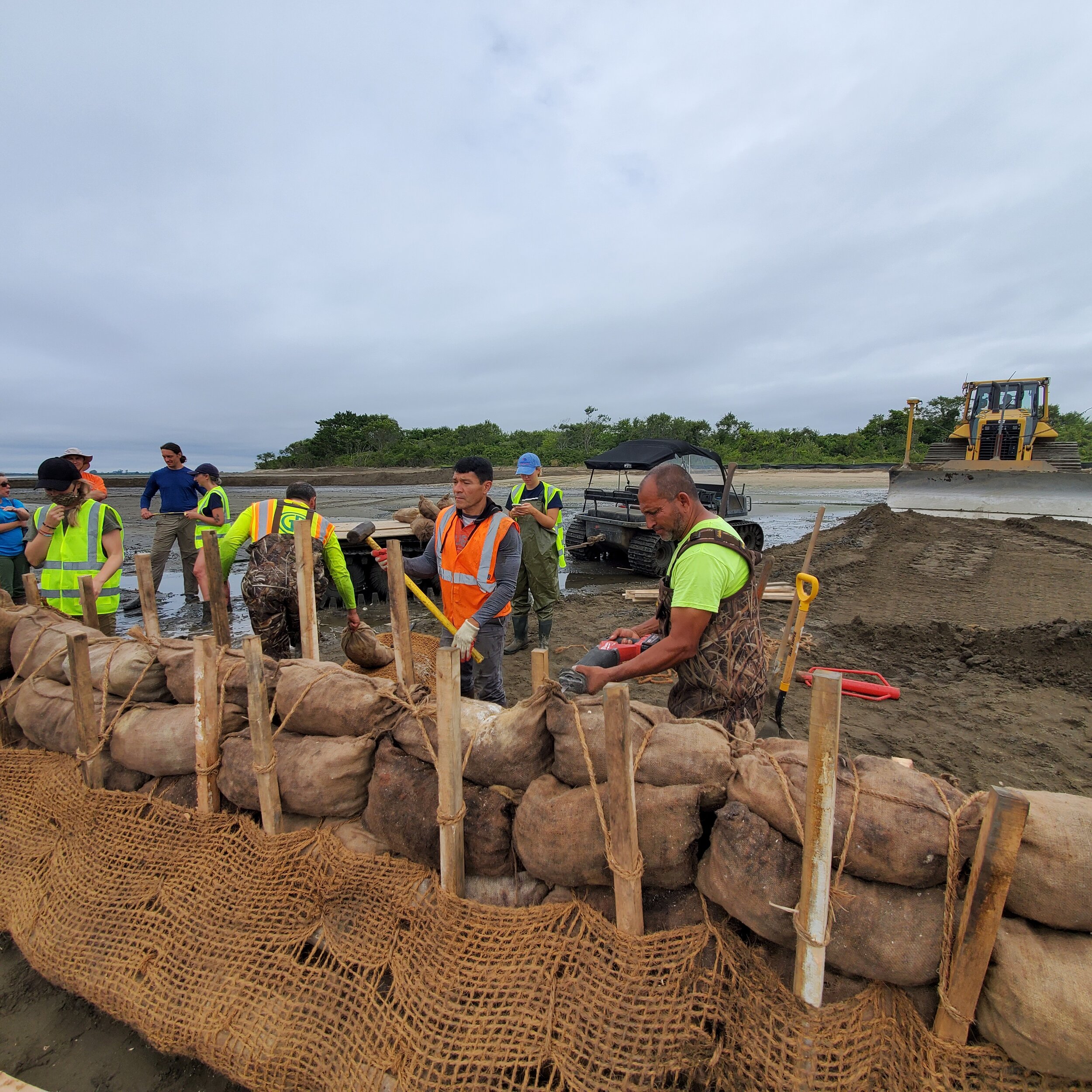
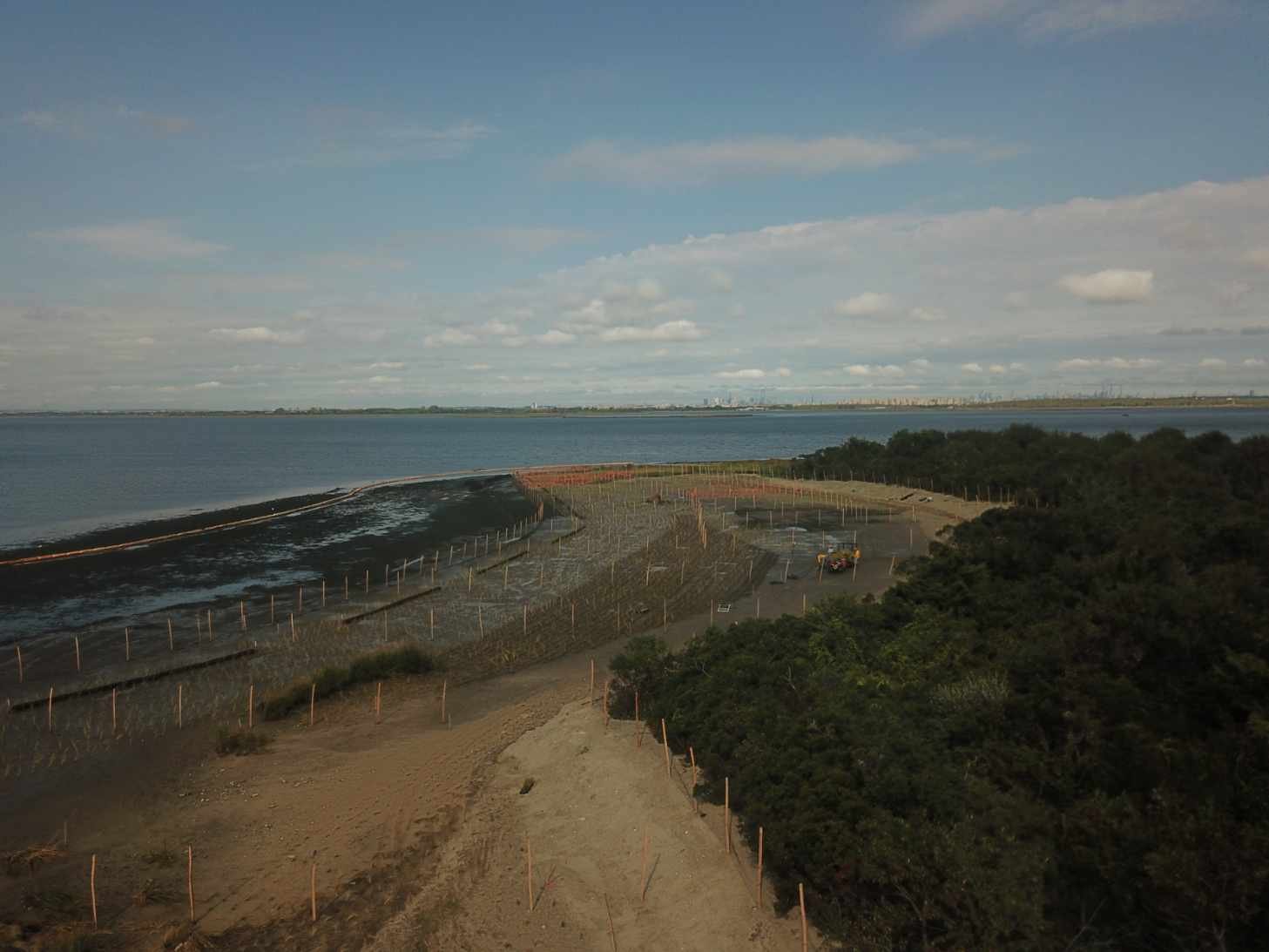
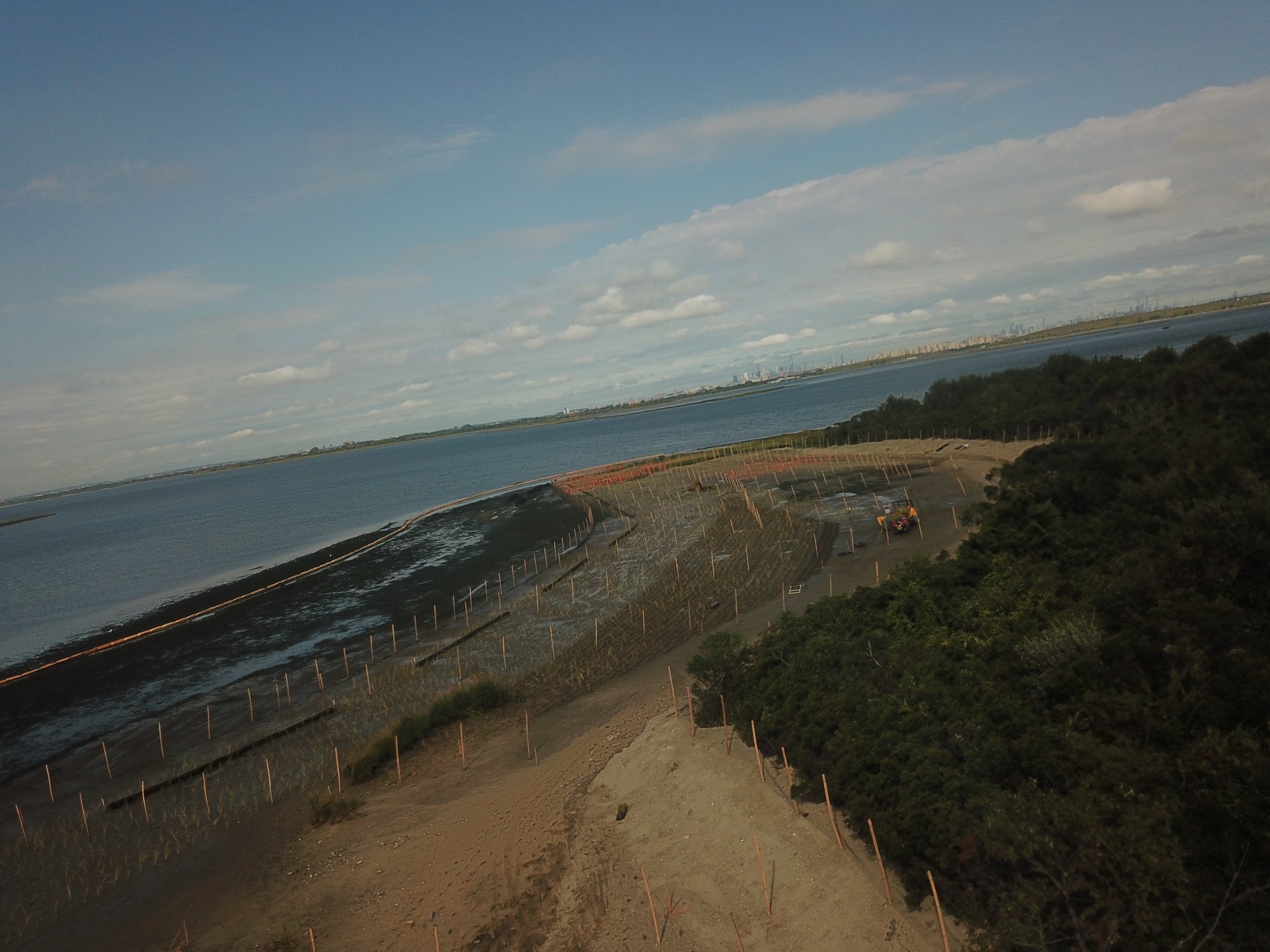
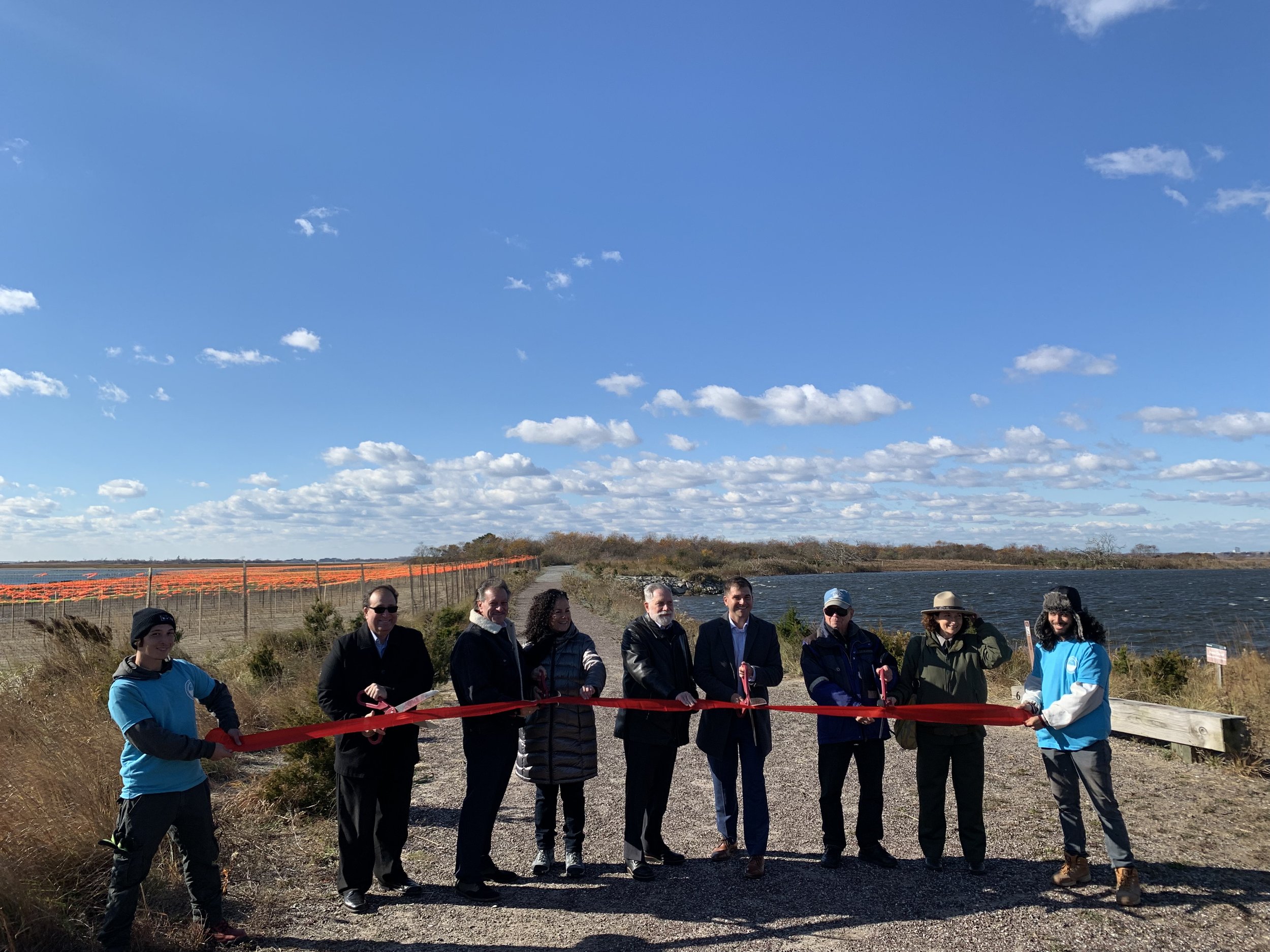
Jamaica Bay-Rockaway Parks Conservancy (JBRPC) and the National Park Service collaborated to create a robust living shoreline in 2020. At the completion of construction in 2021, the project was widely seen as a success. But in reality, the work was just beginning. Living shorelines are not self-sustaining at installation—wind, tide, storms, and wildlife immediately begin testing the system.
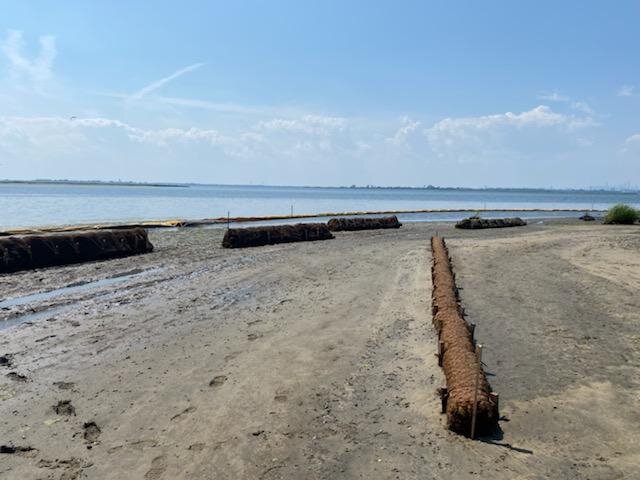
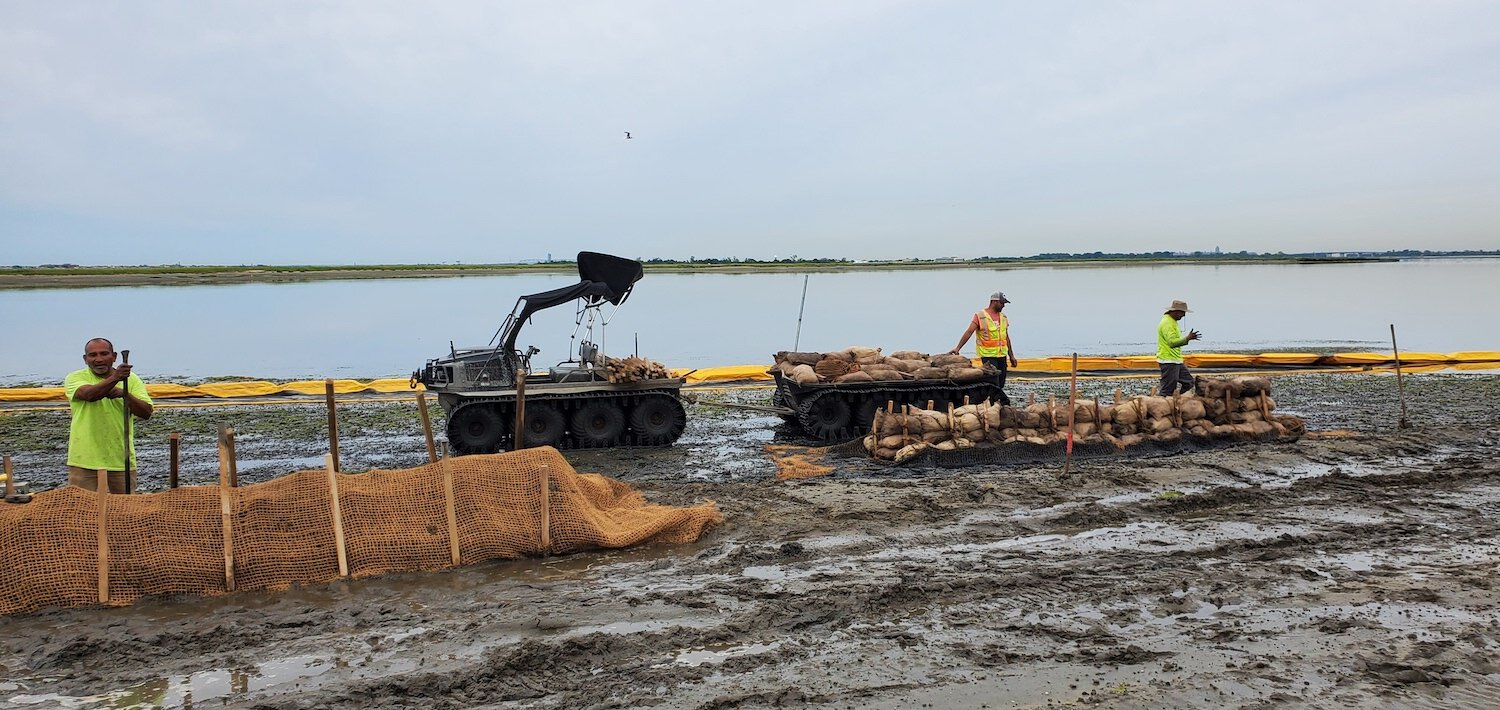
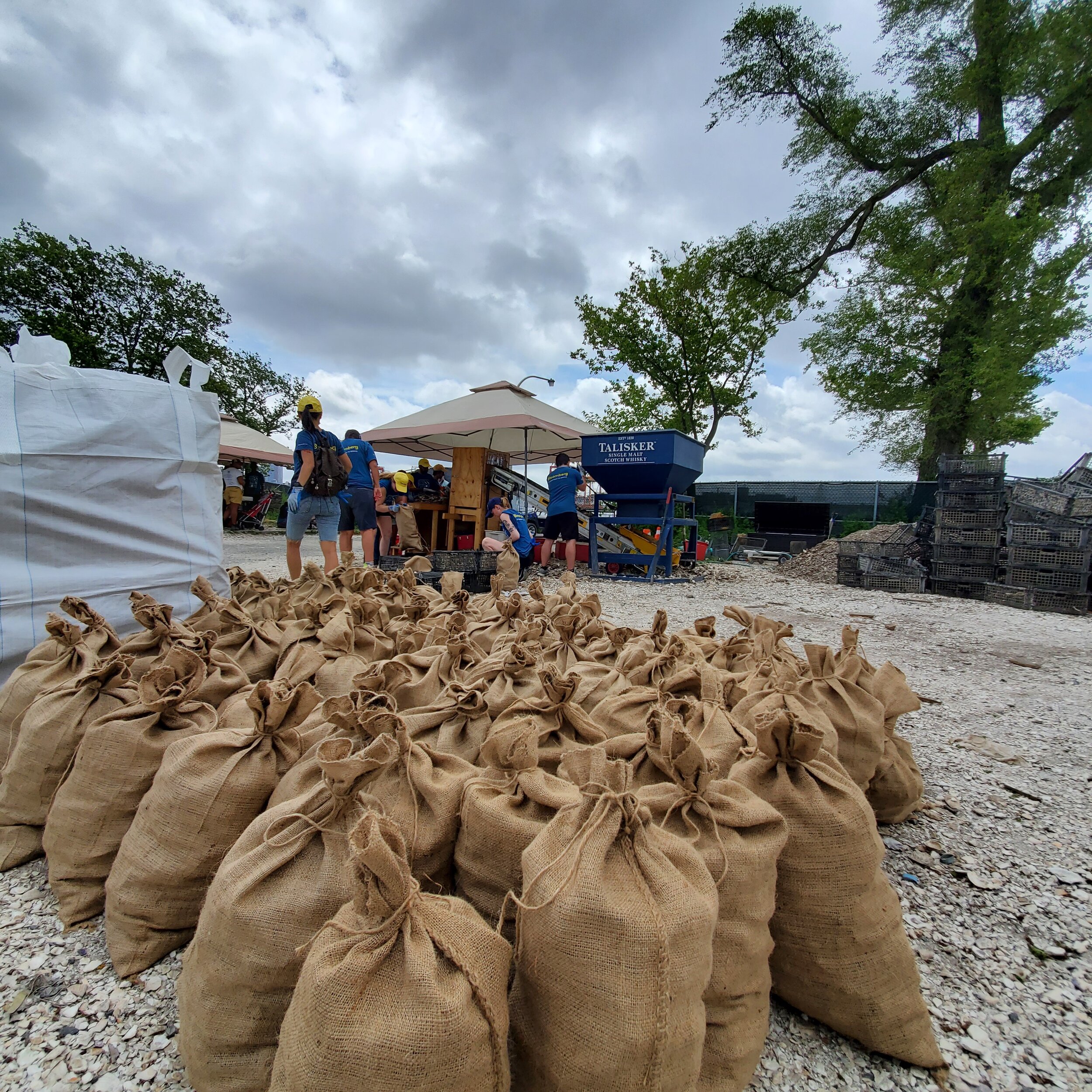
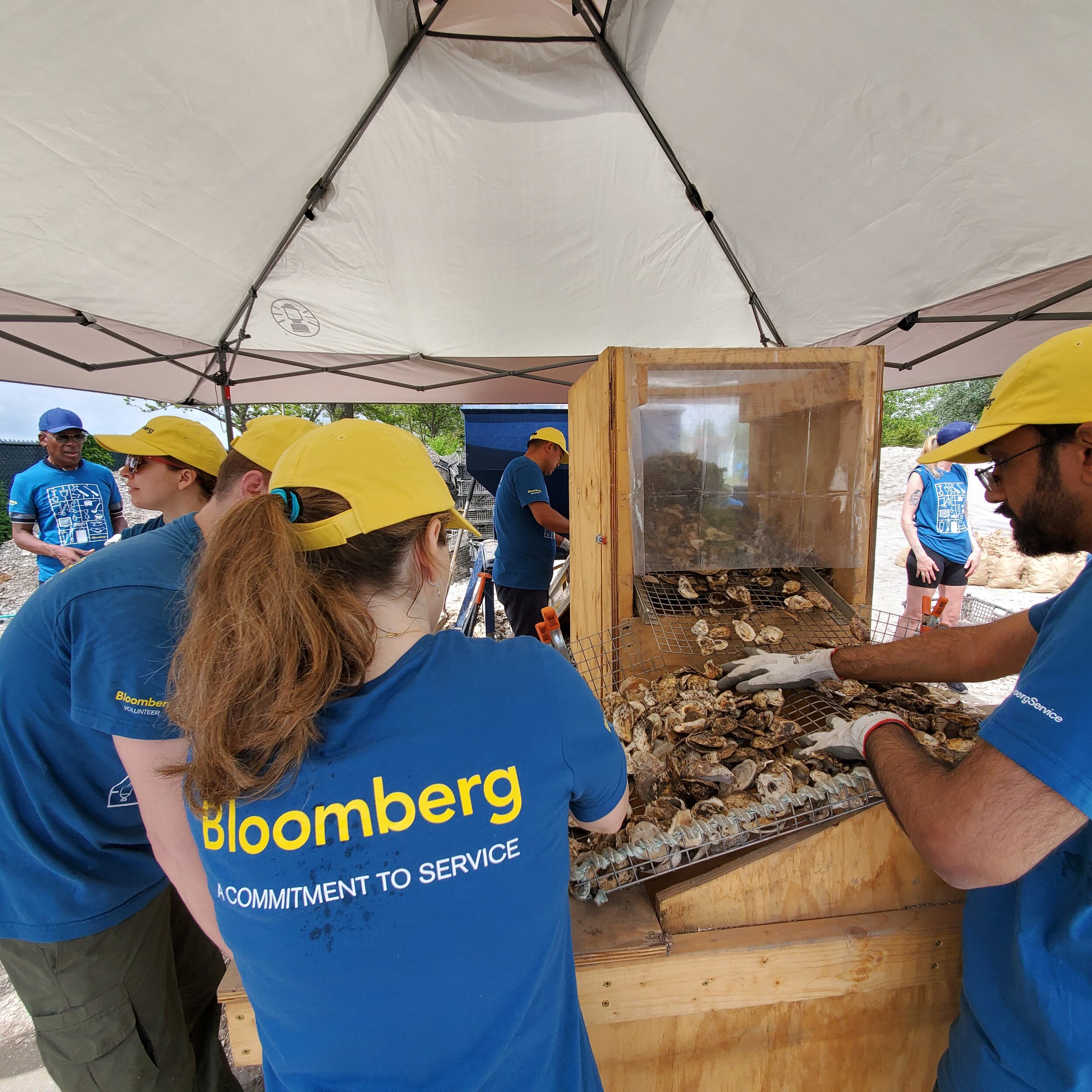
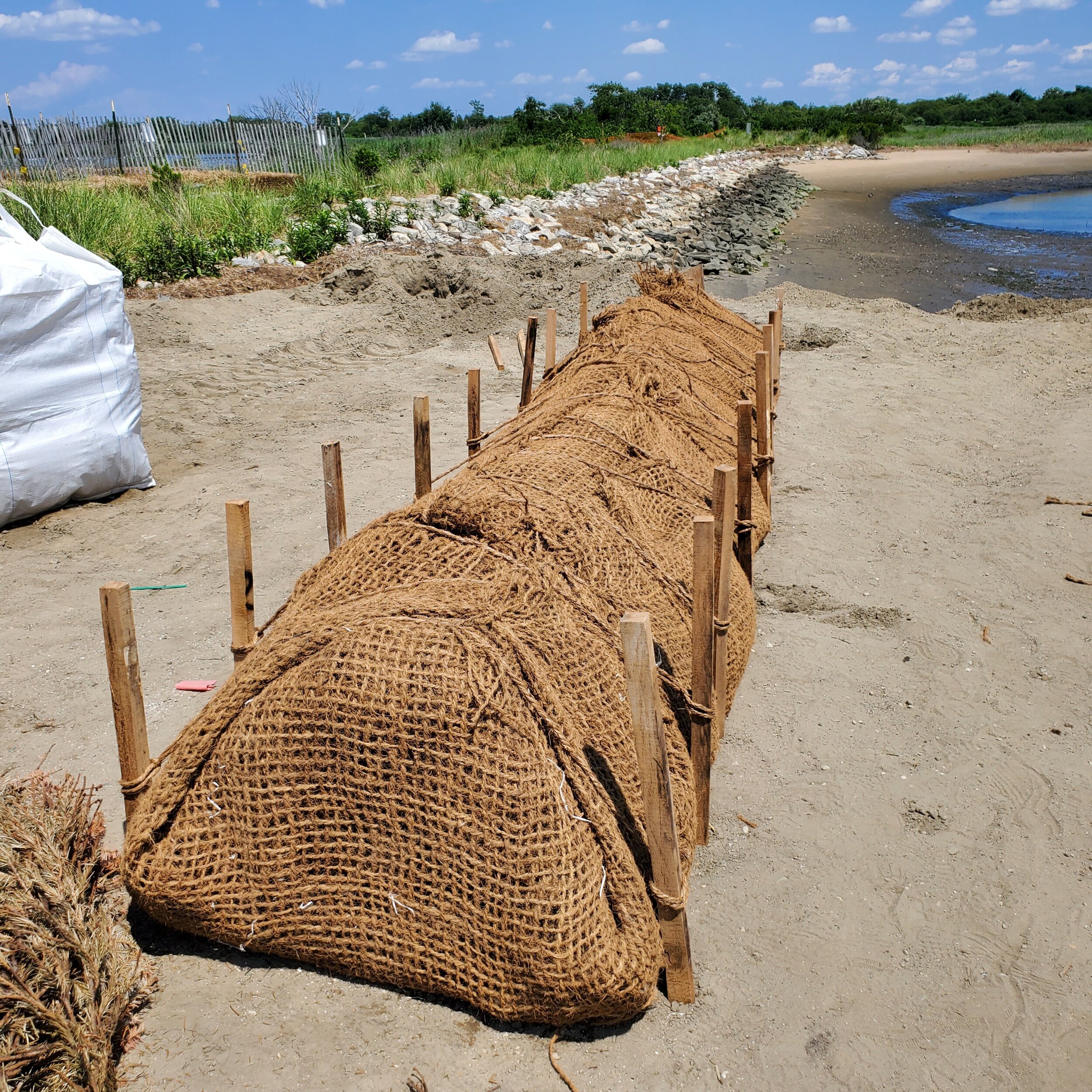
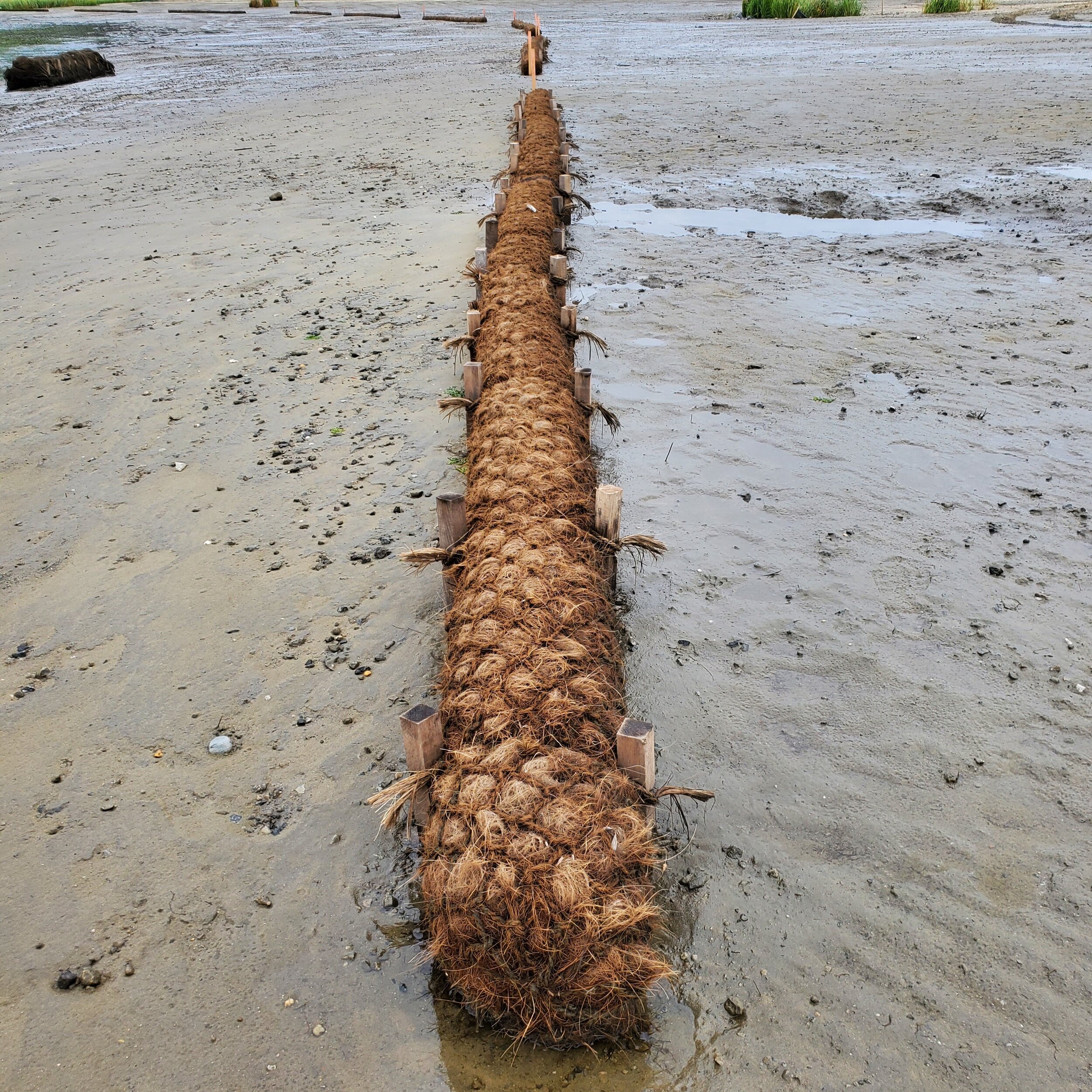
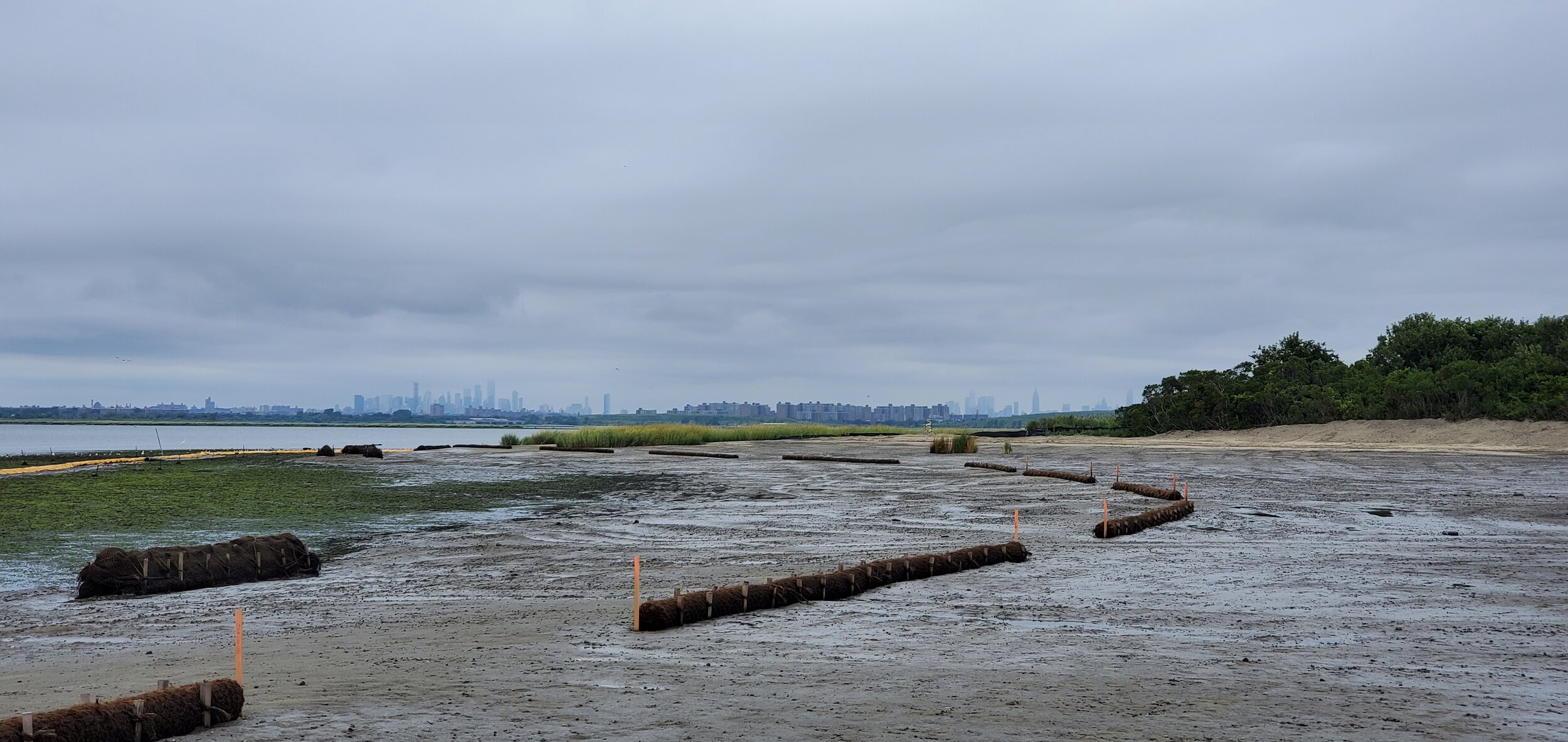
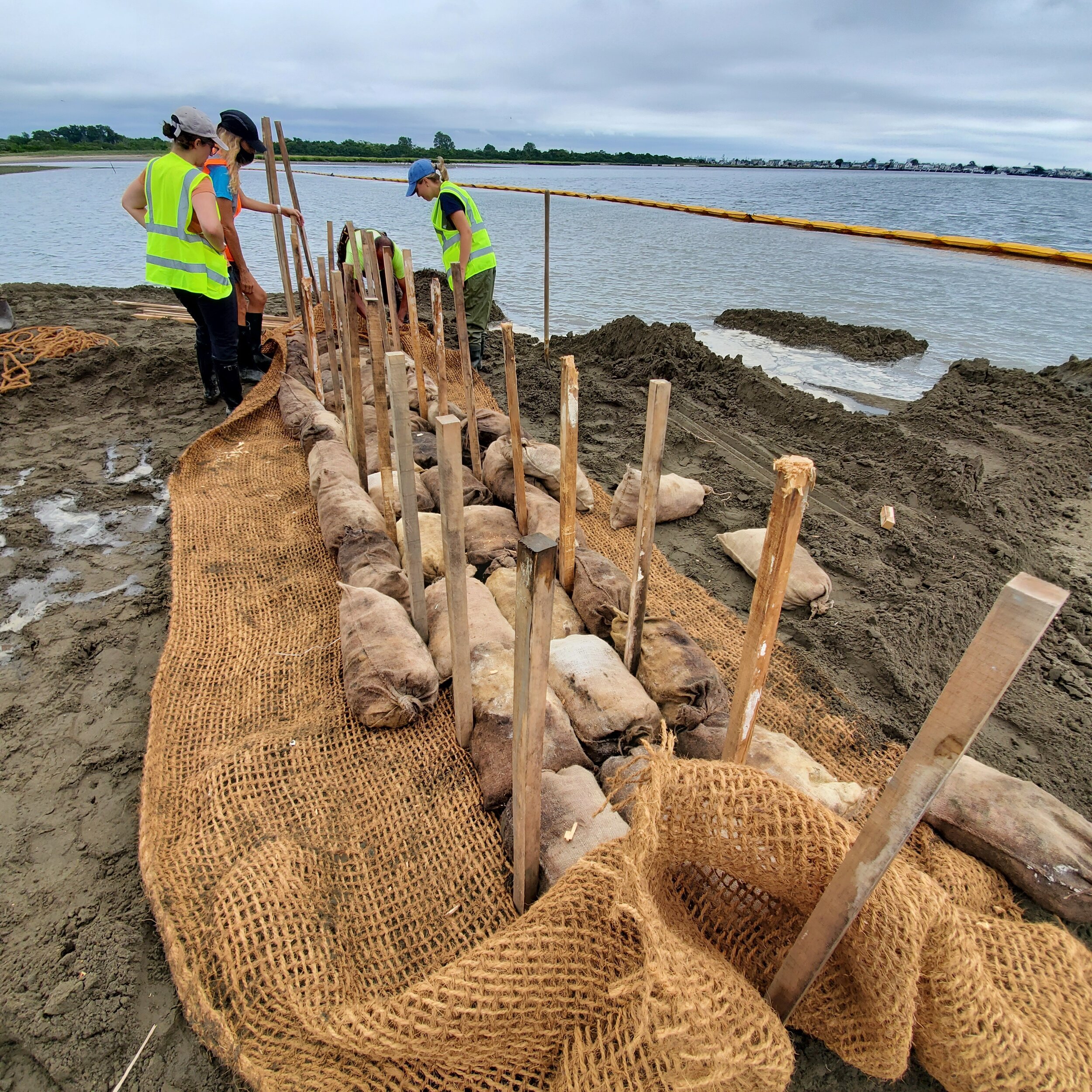
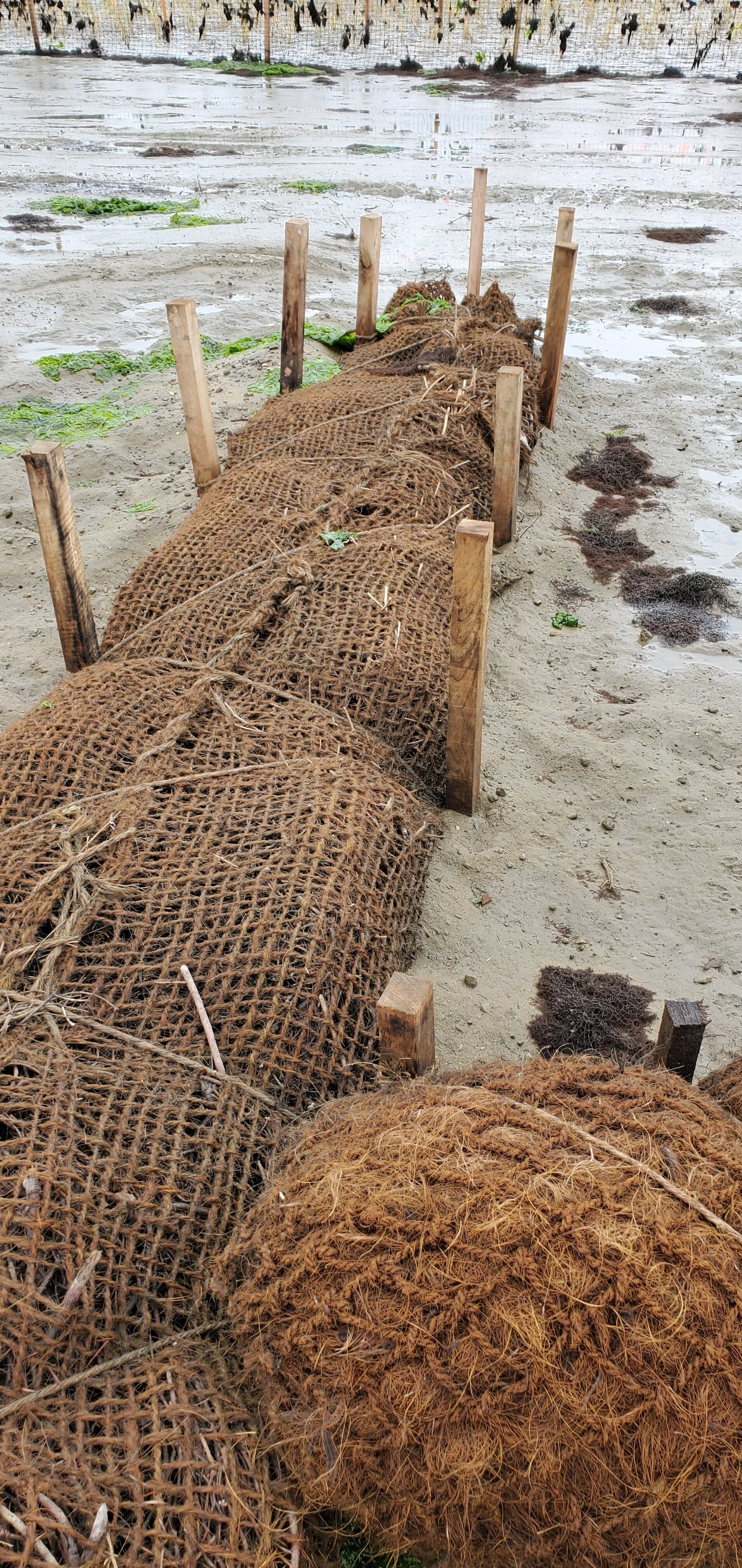
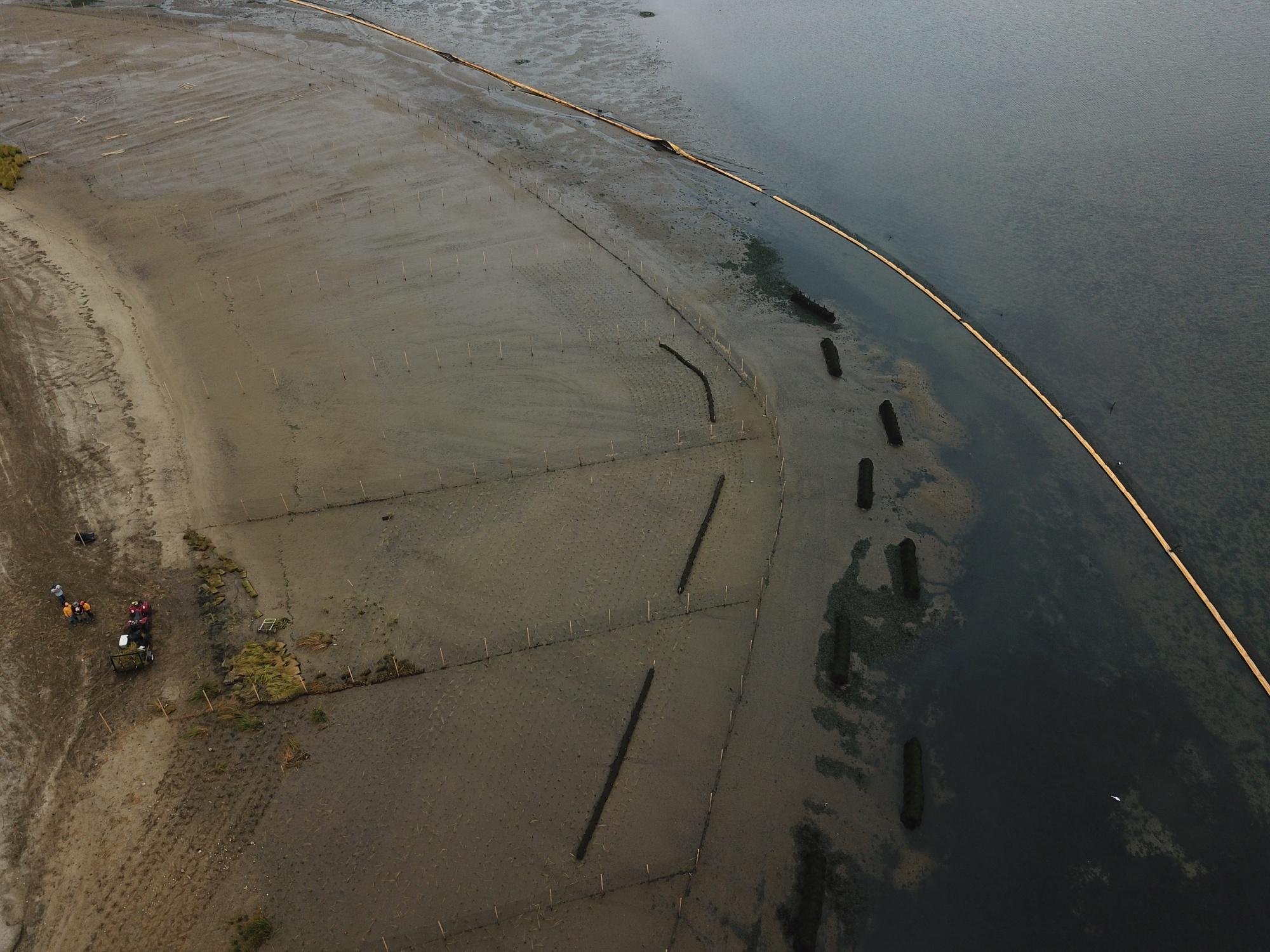
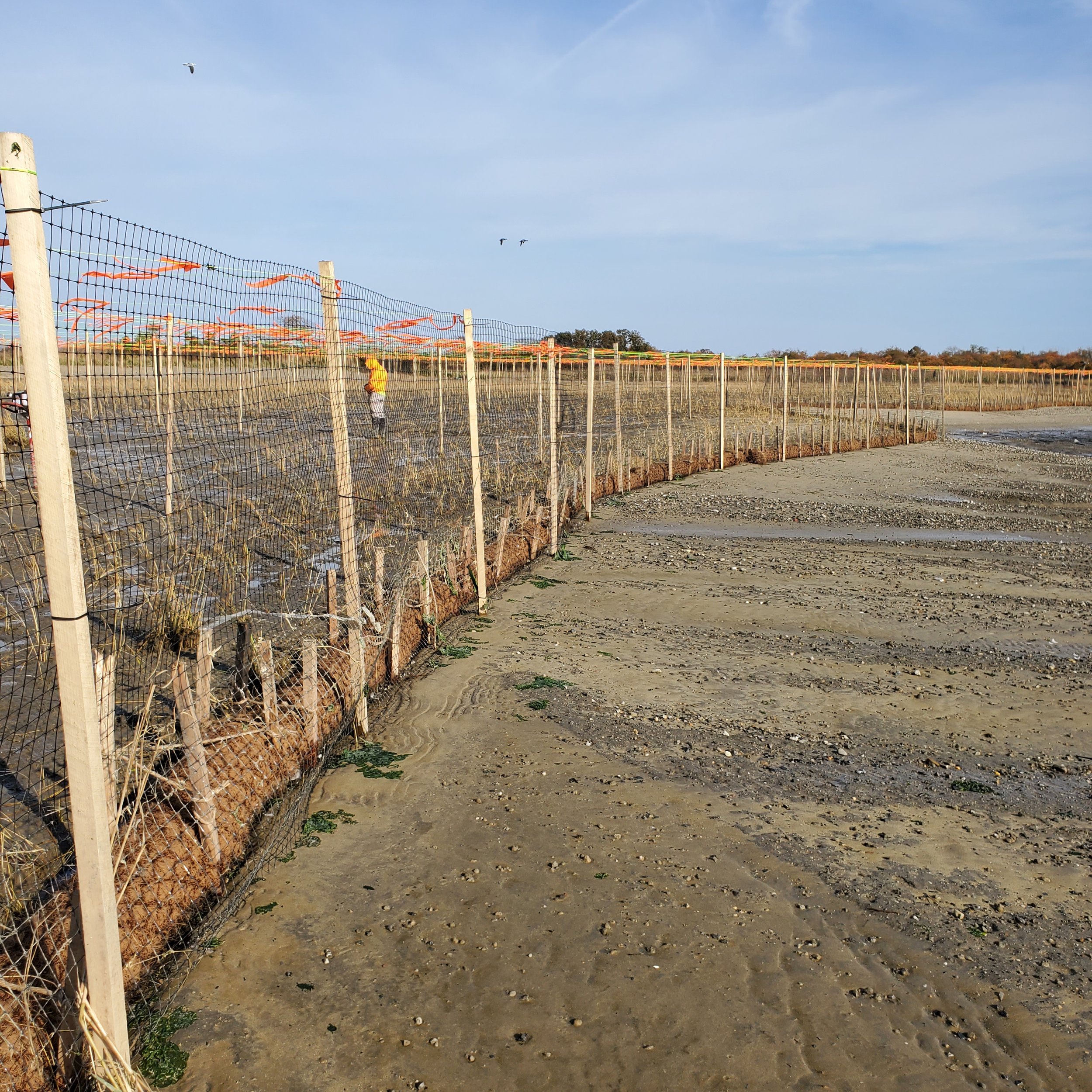
Breakwater structures like clamshell bags and coir logs are ideal protectors of fresh plantings because they are made of natural materials, designed to break down over time. In the case of the West Pond Living Shoreline, these breakwaters disintegrated too soon, leaving the waterline vulnerable to wave action.
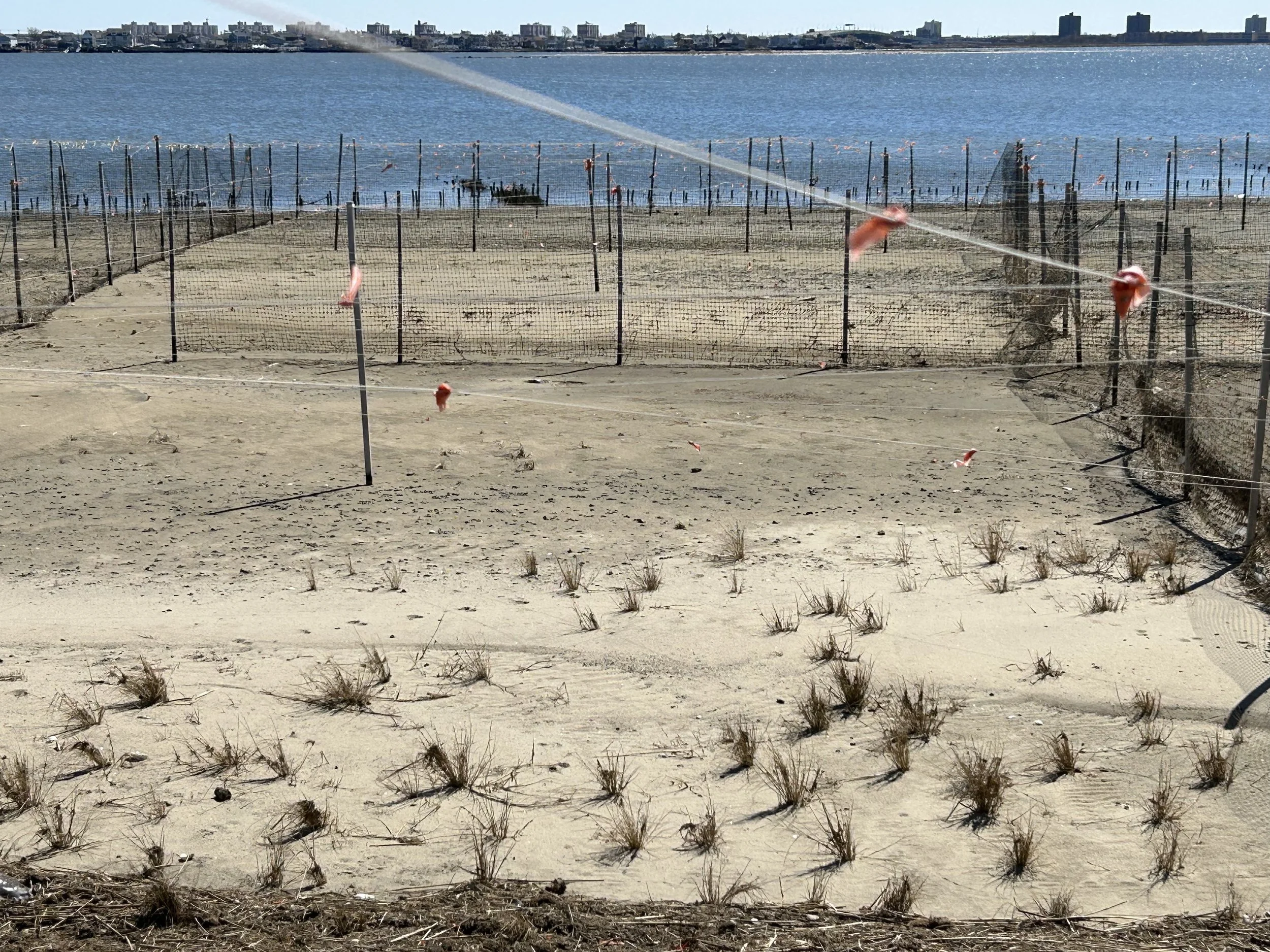
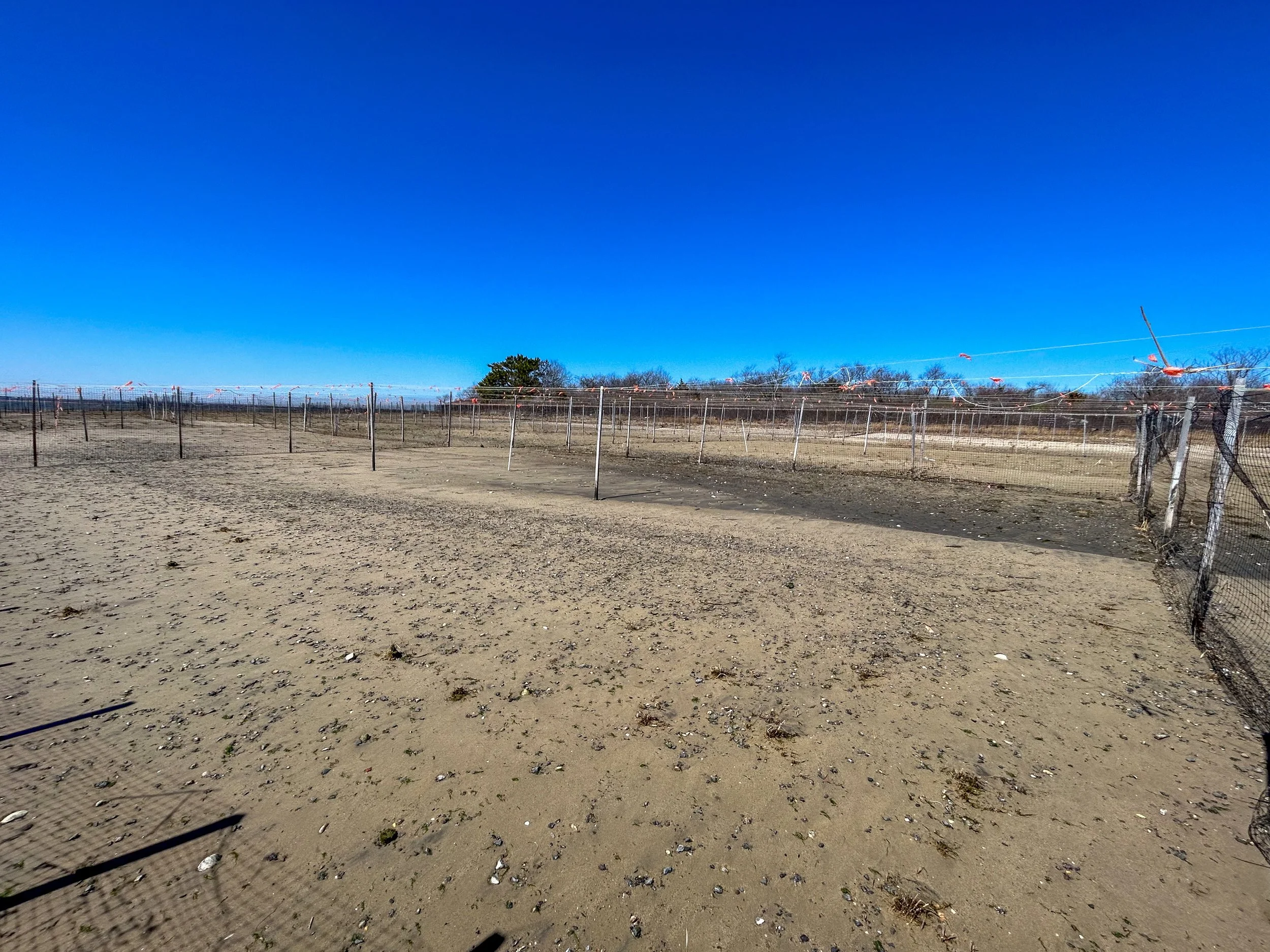
Within the first year, monitoring showed that the majority of planted vegetation had failed. The shoreline was largely bare and exposed. It was a critical moment and a turning point.
800
feet of tree fascines created
5,000+
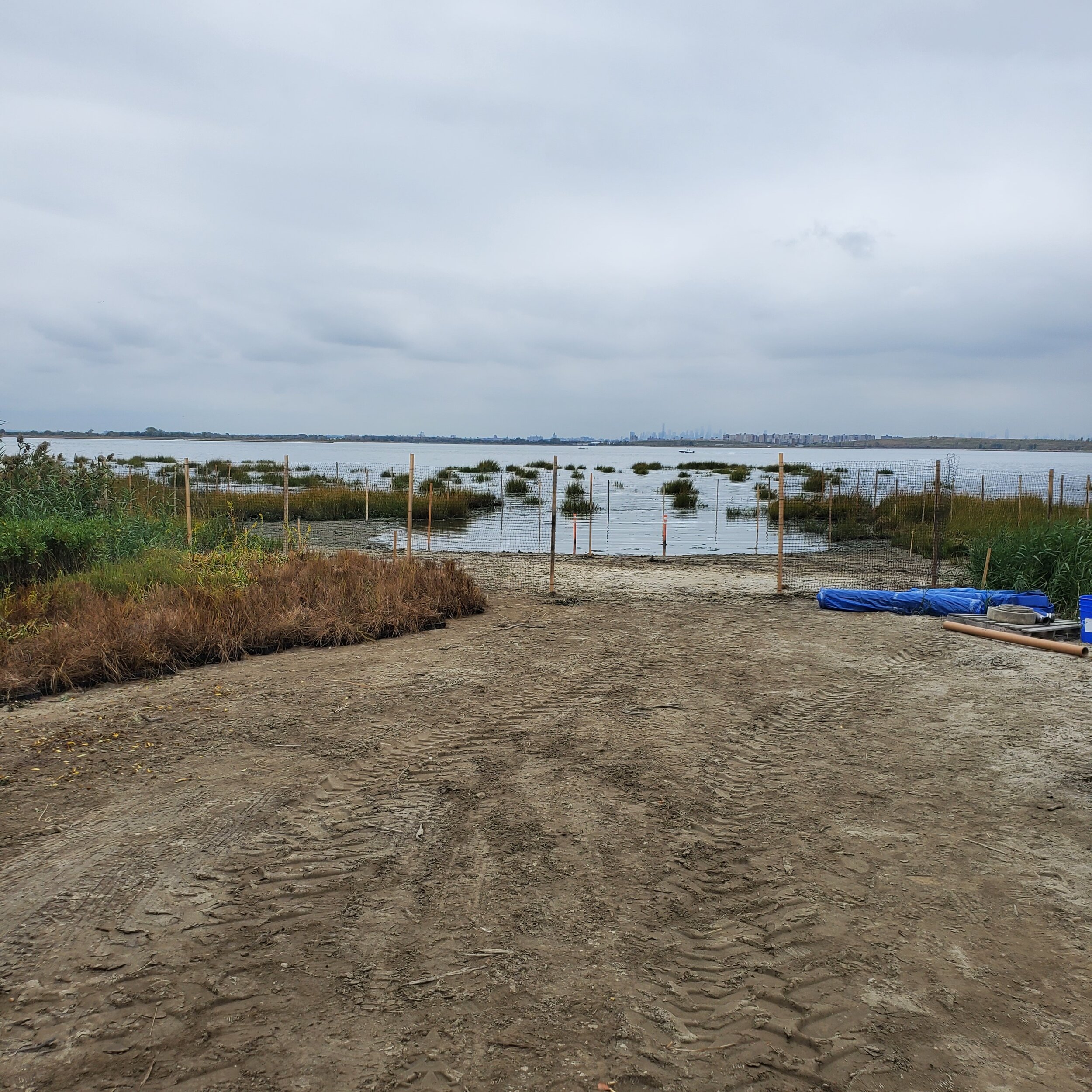
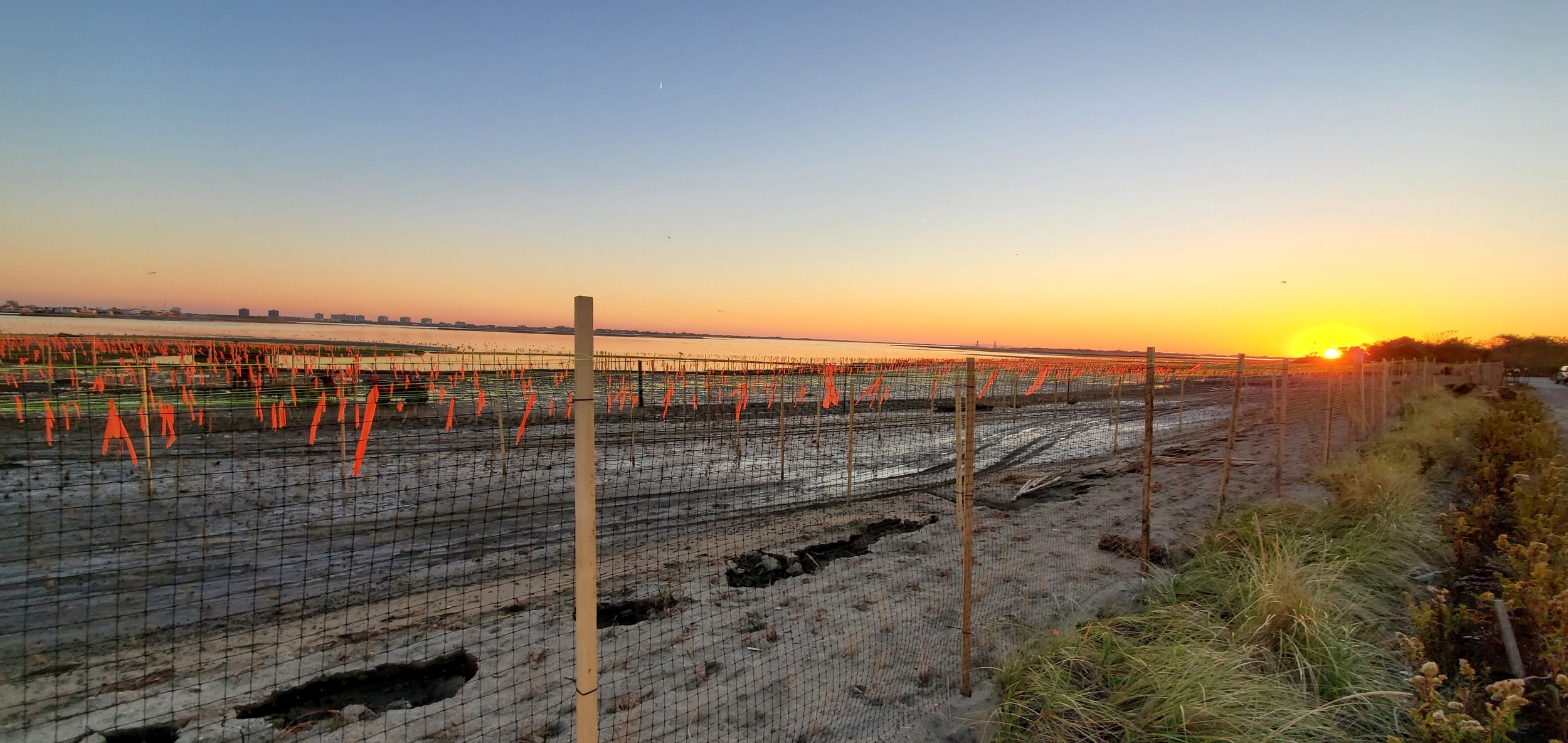
feet of fencing maintained
Rather than repeating the same approach, the team began testing new methods. Each intervention was treated as a pilot, evaluated, refined, and either scaled or revised based on performance.
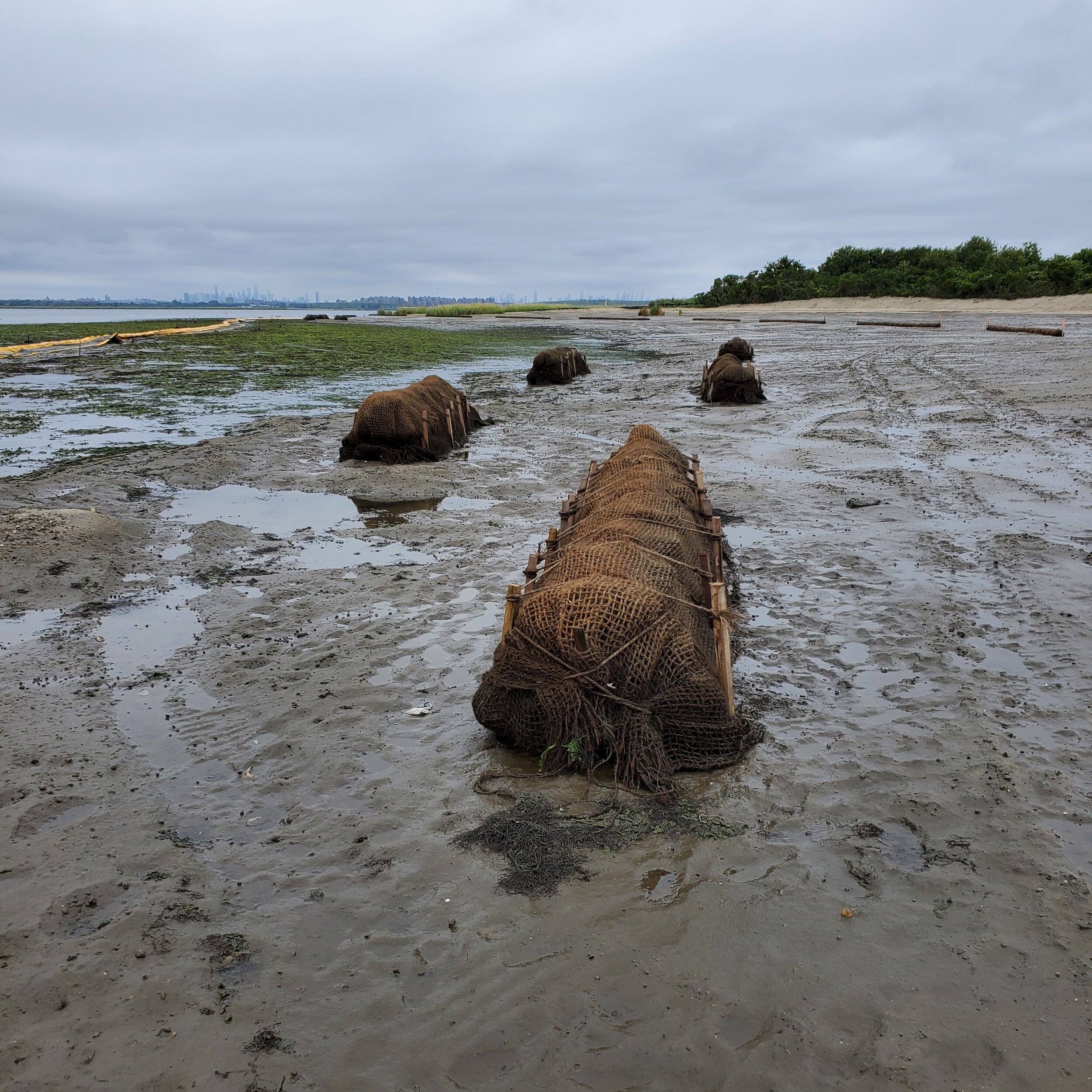
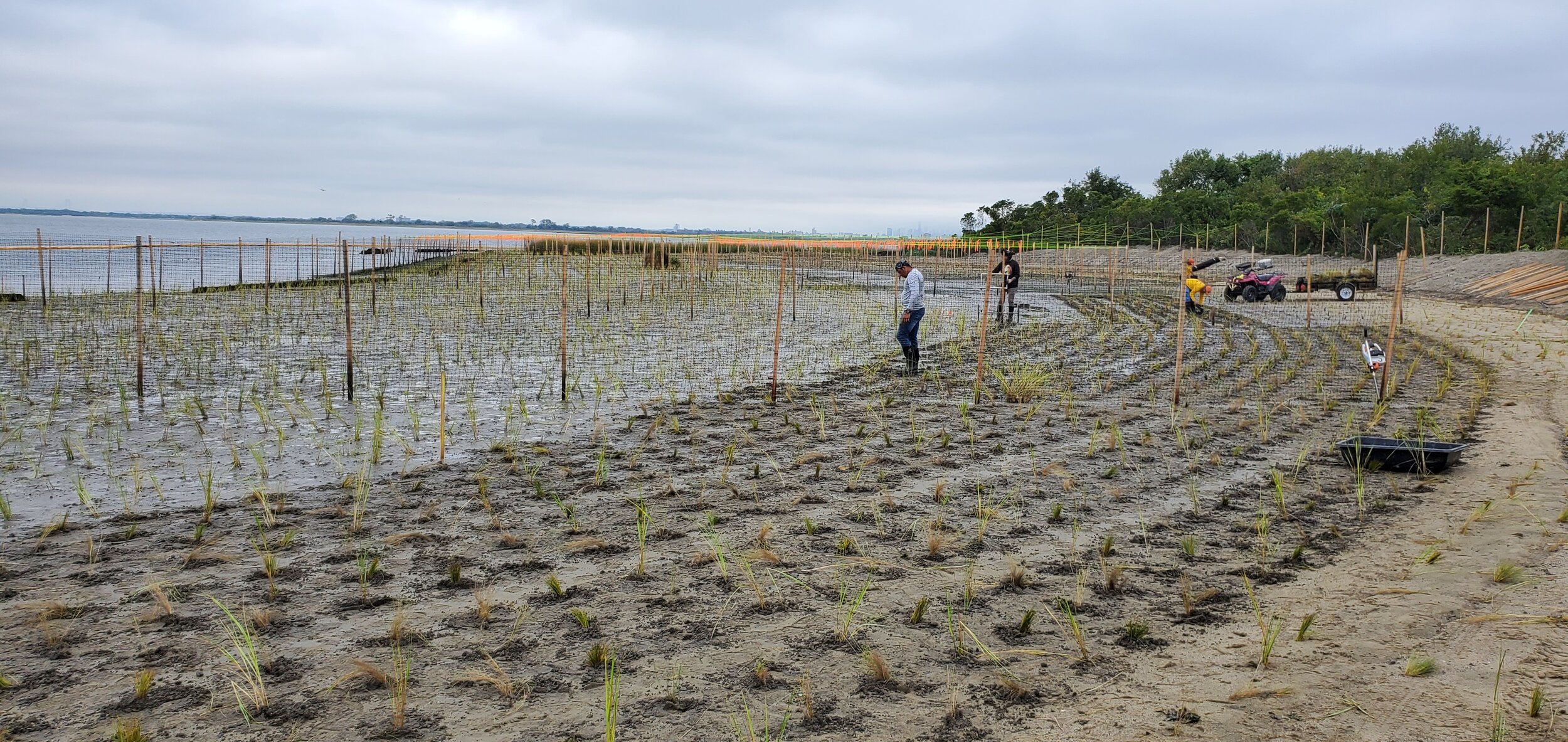
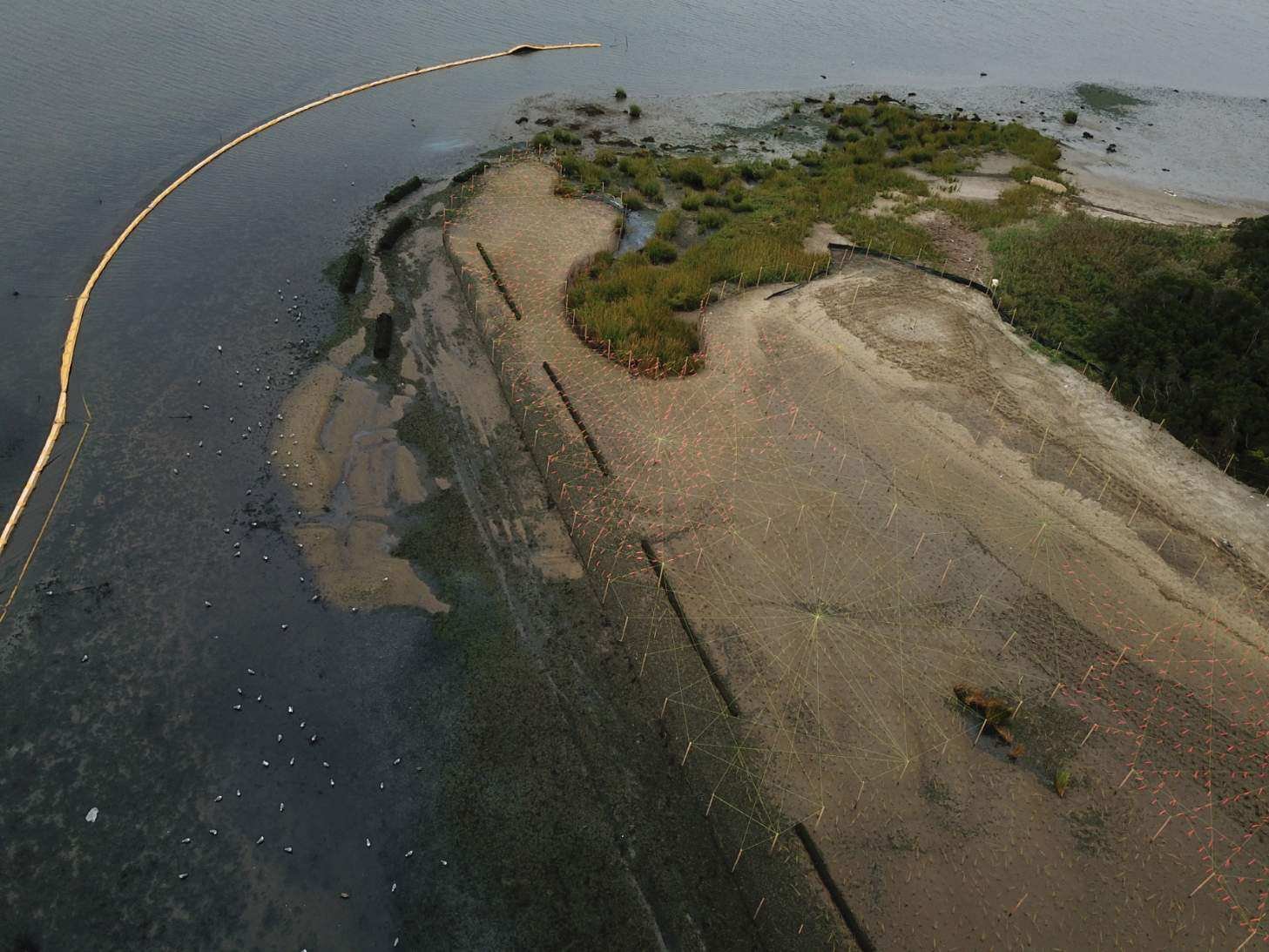
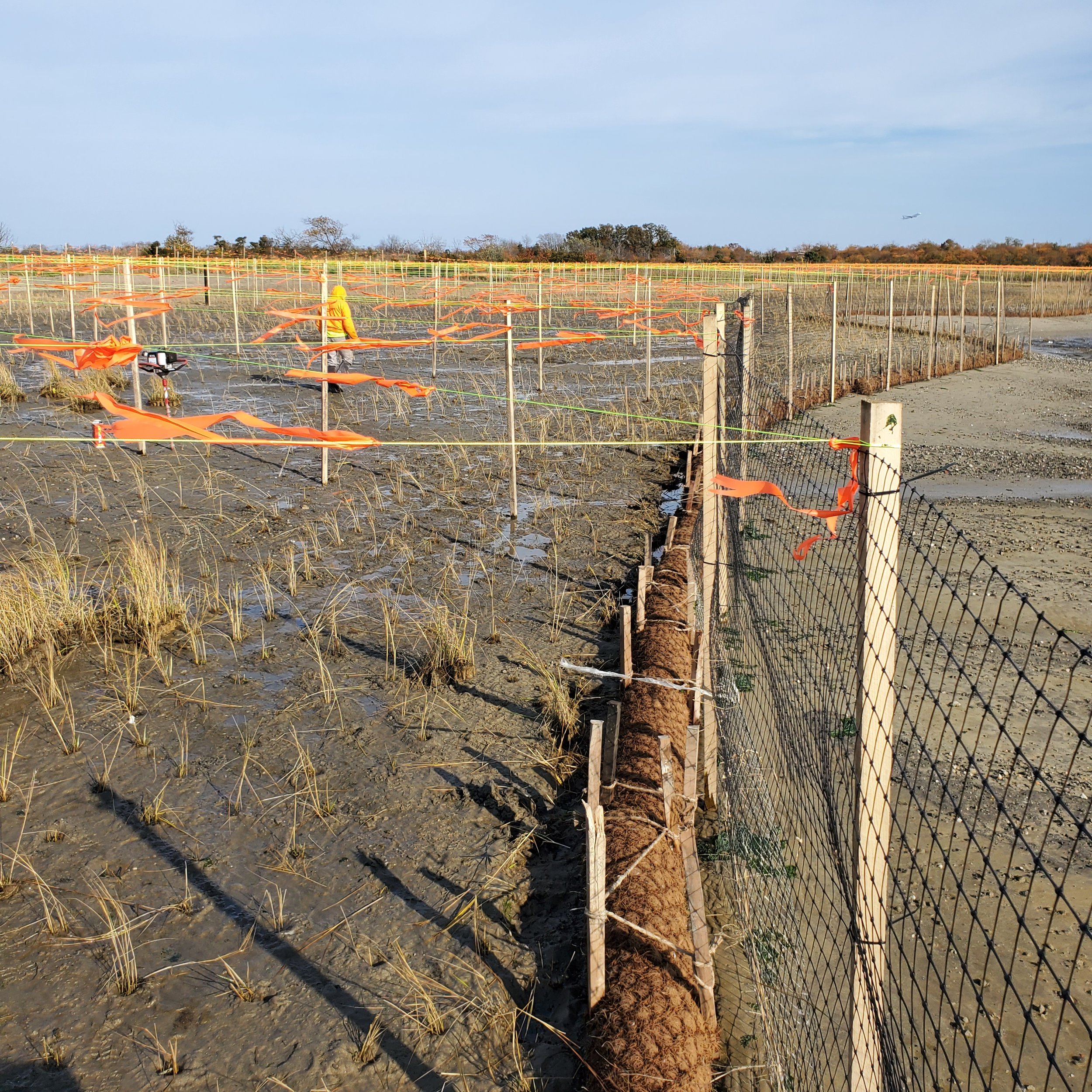
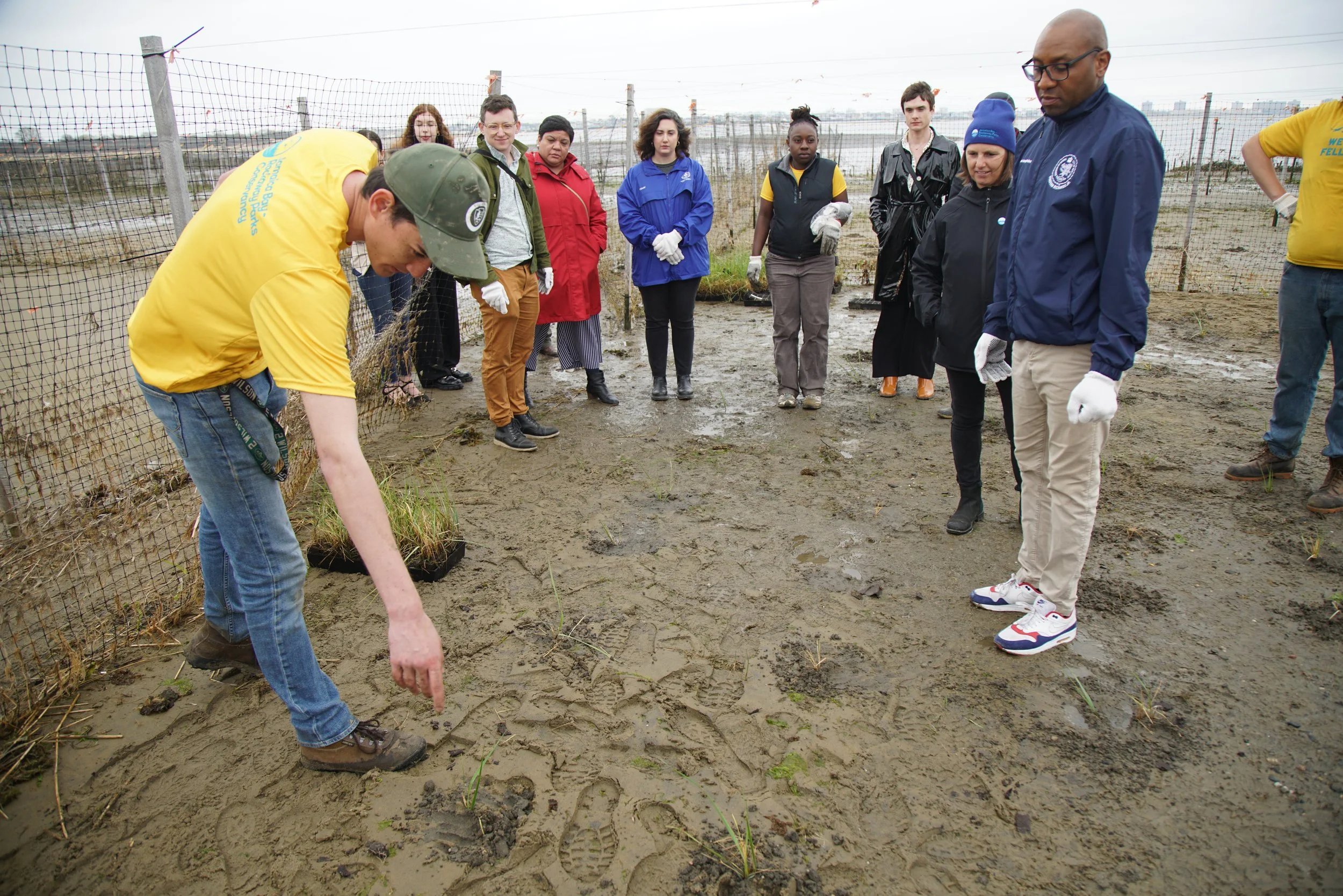
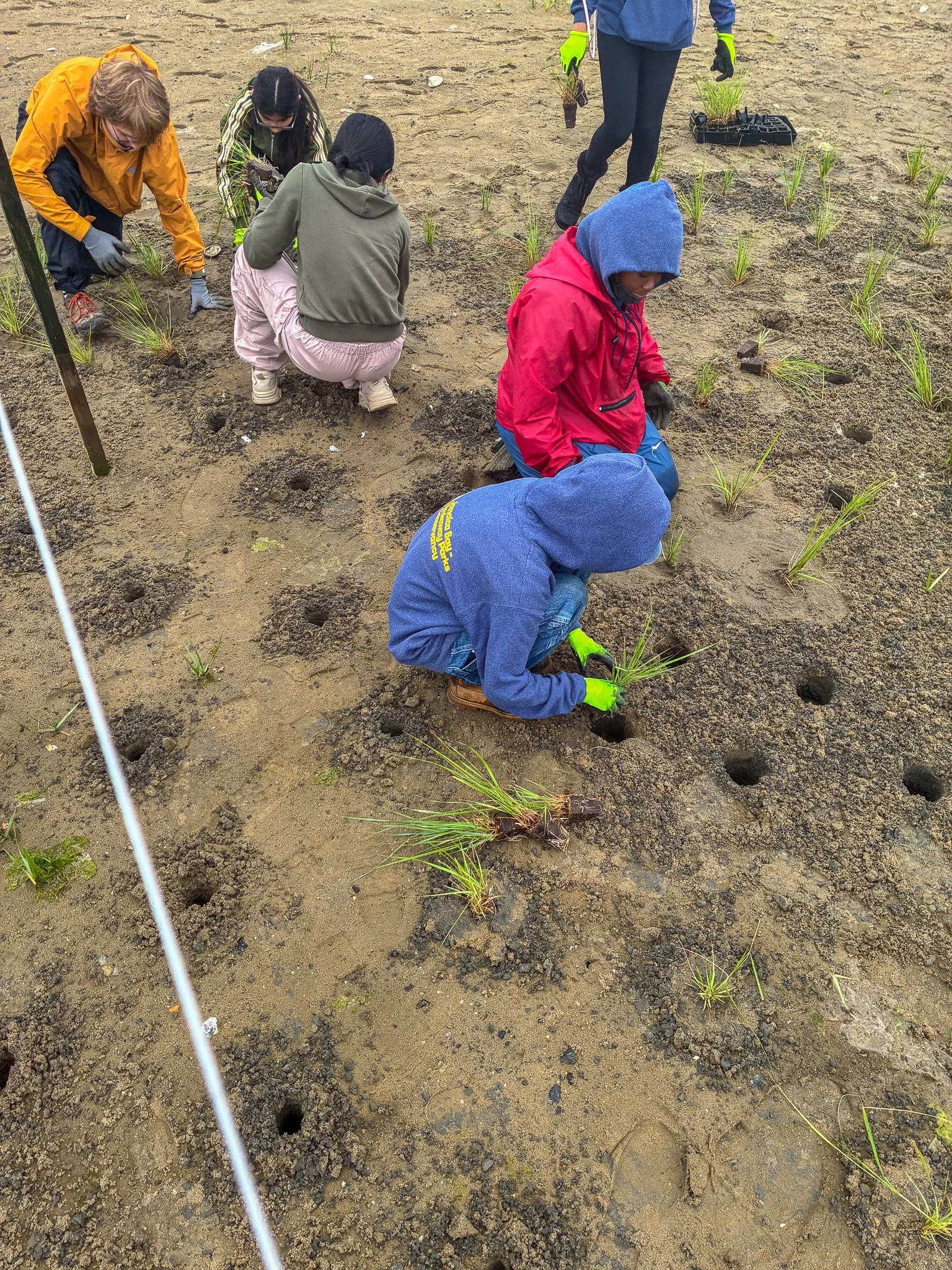
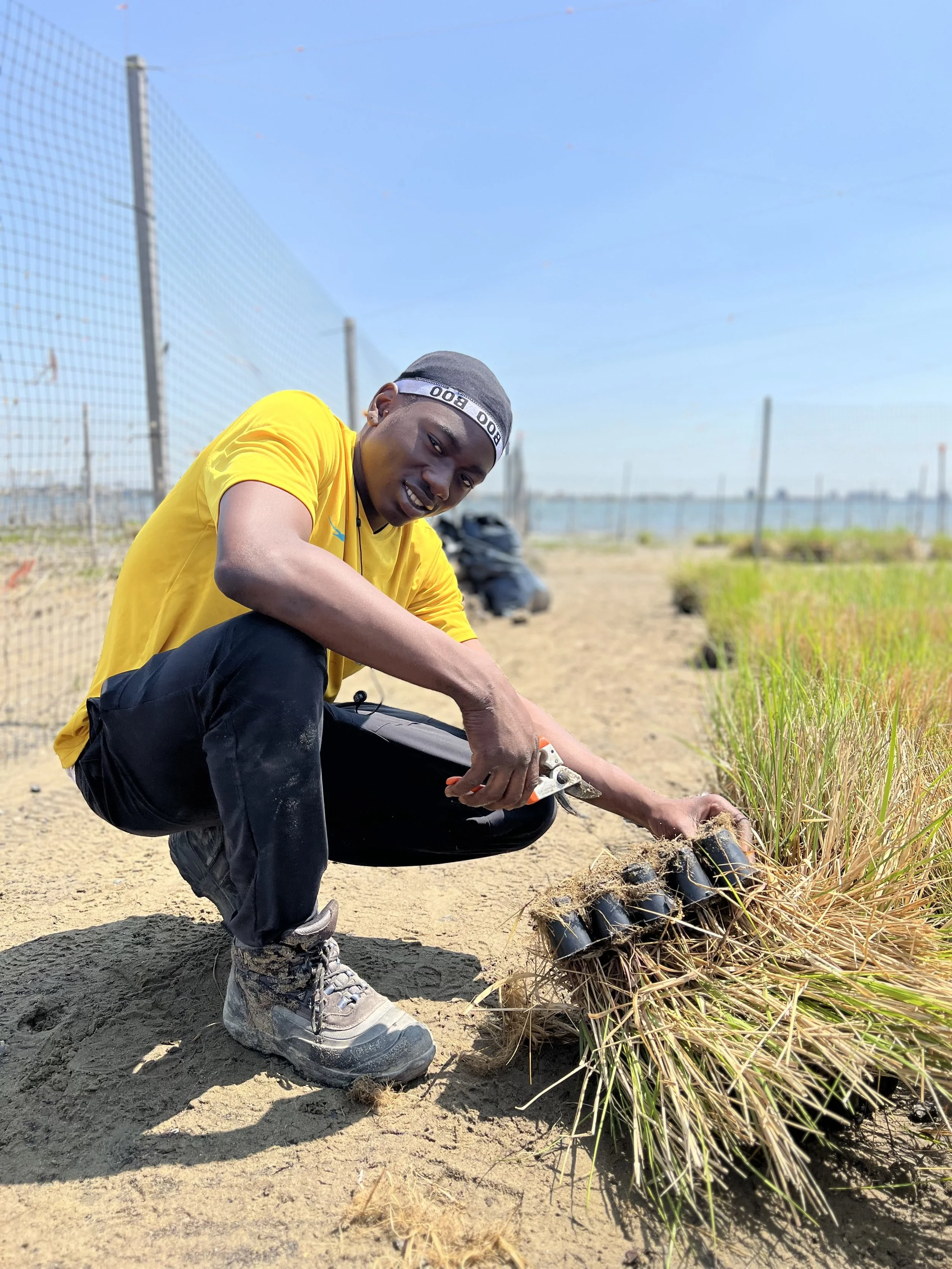
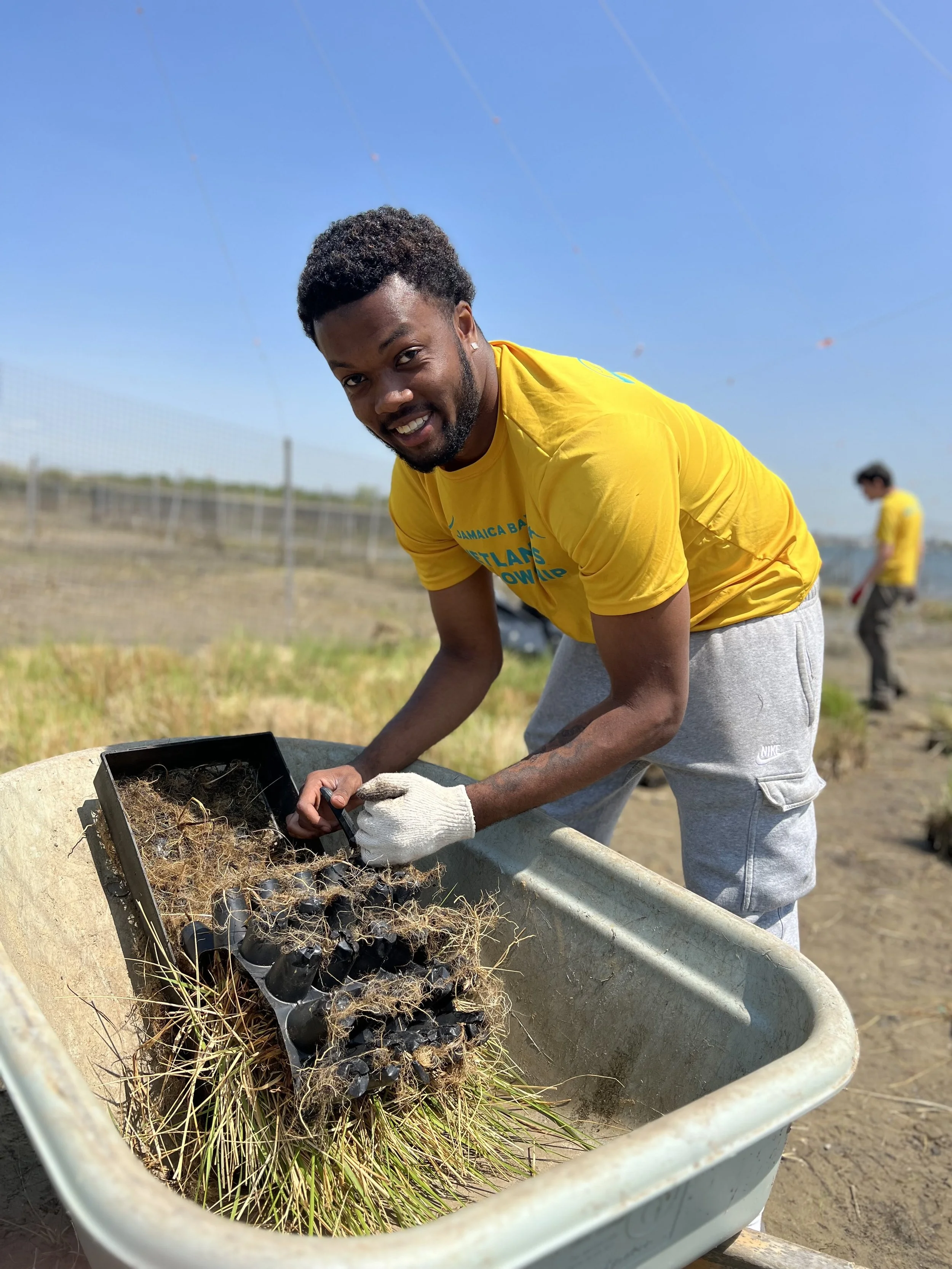
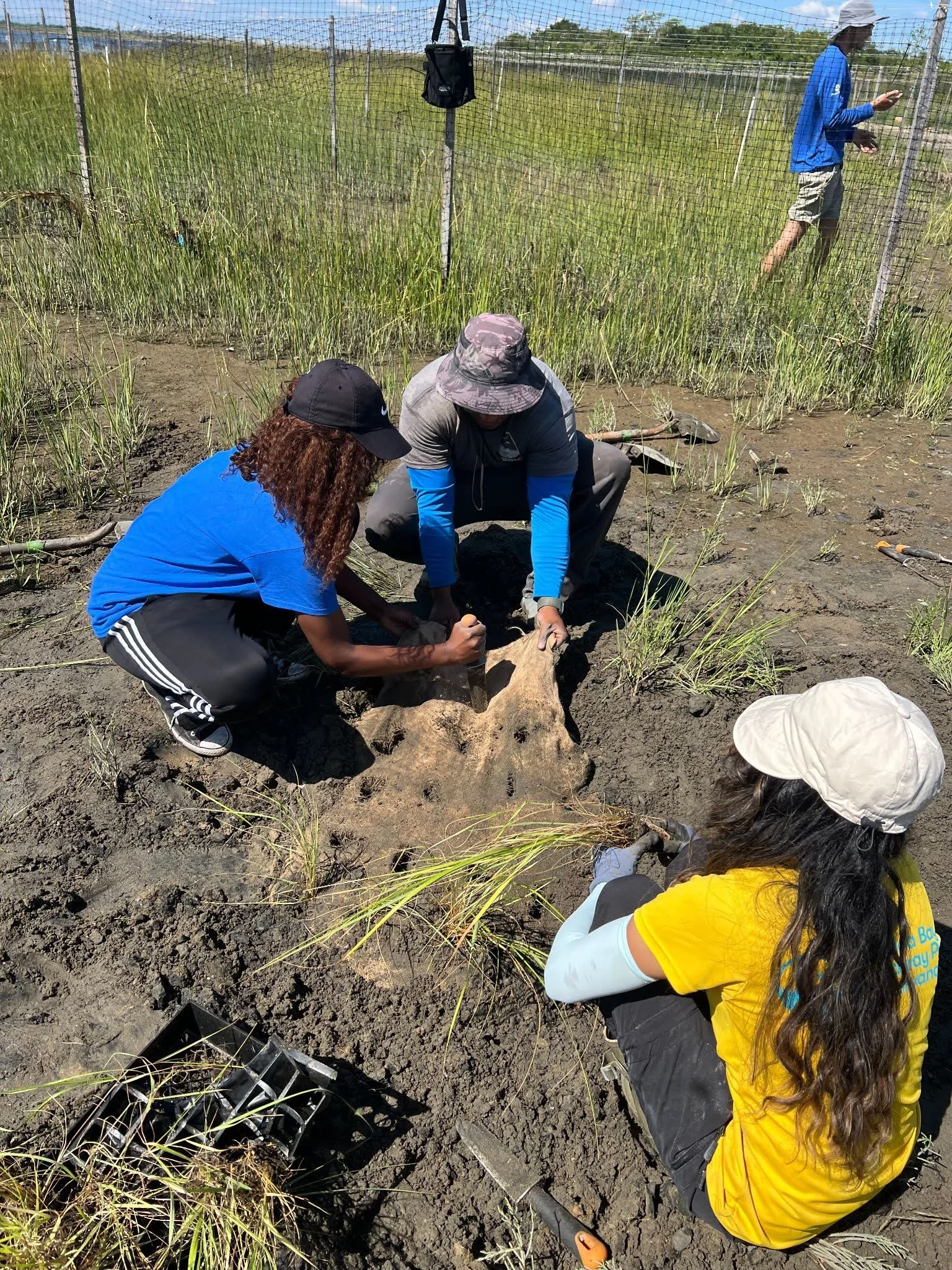
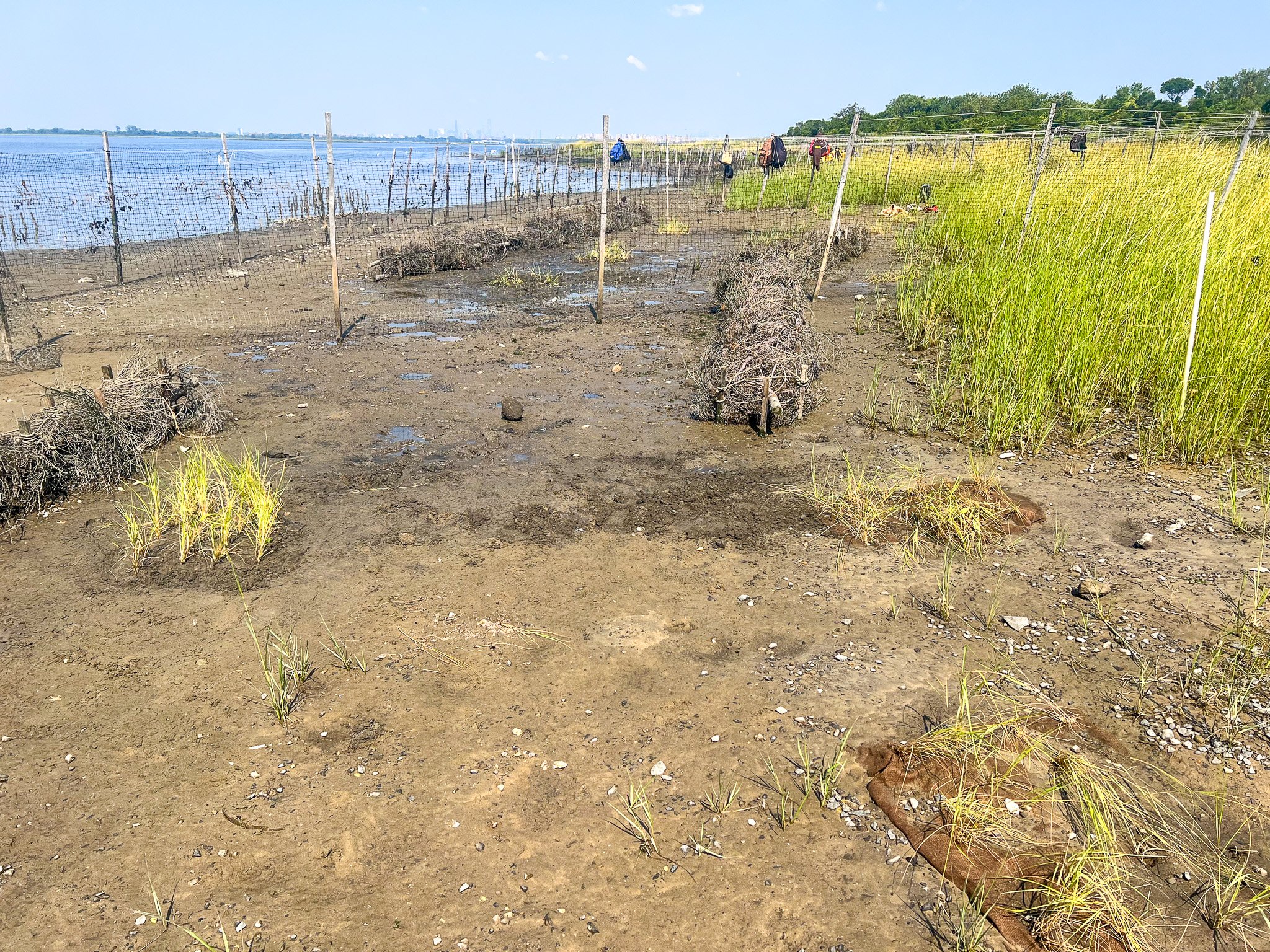
Monitoring revealed that plants within a specific elevation zone were performing significantly better than others, providing a key insight that reshaped the restoration strategy. Planting densities were adjusted, plants were clustered to strengthen root networks, and burlap sacks were used to stabilize sediment as young grasses established.
Adaptive 2023 Installation
450
recycled Christmas trees
35
burlap bags for planting
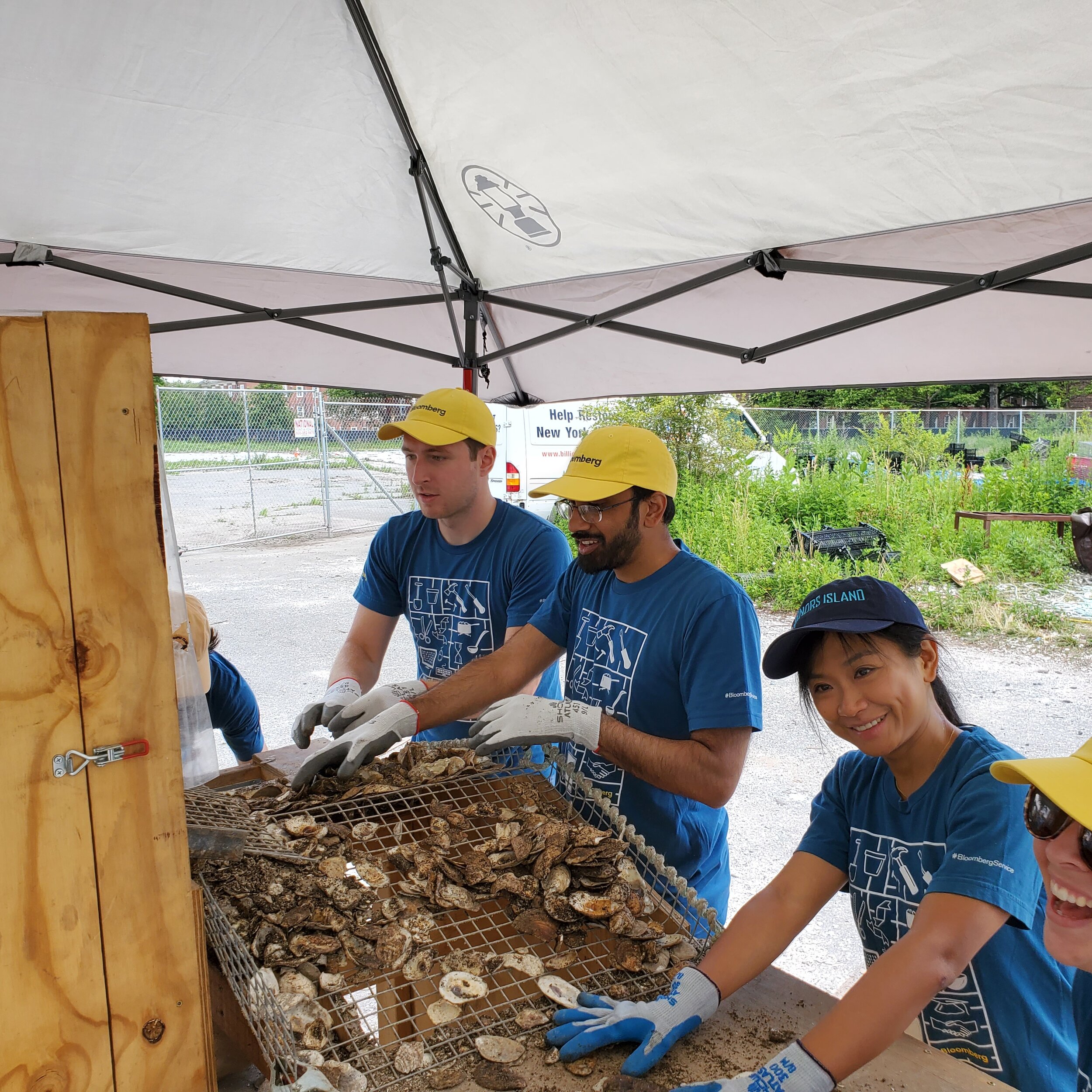
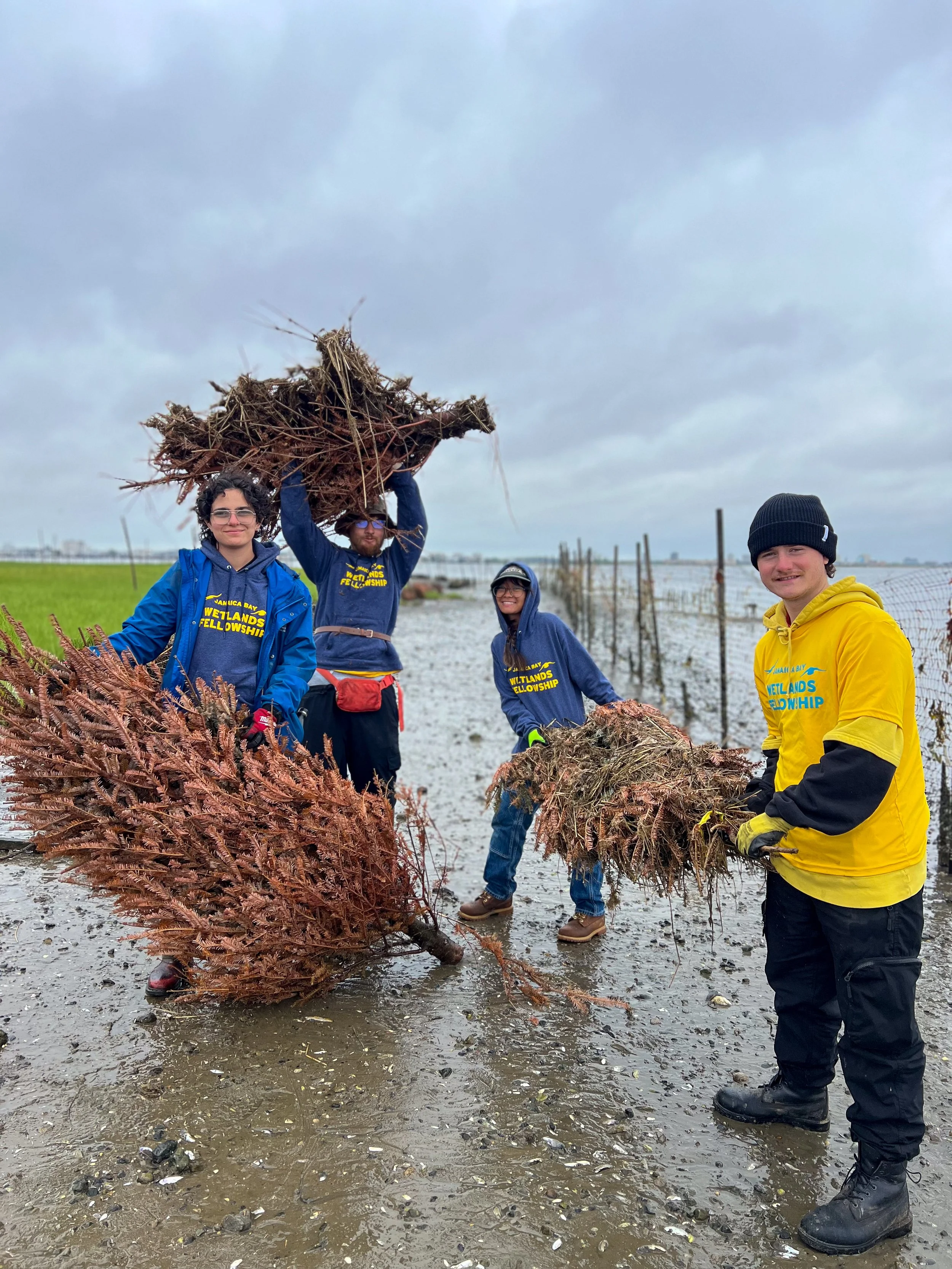
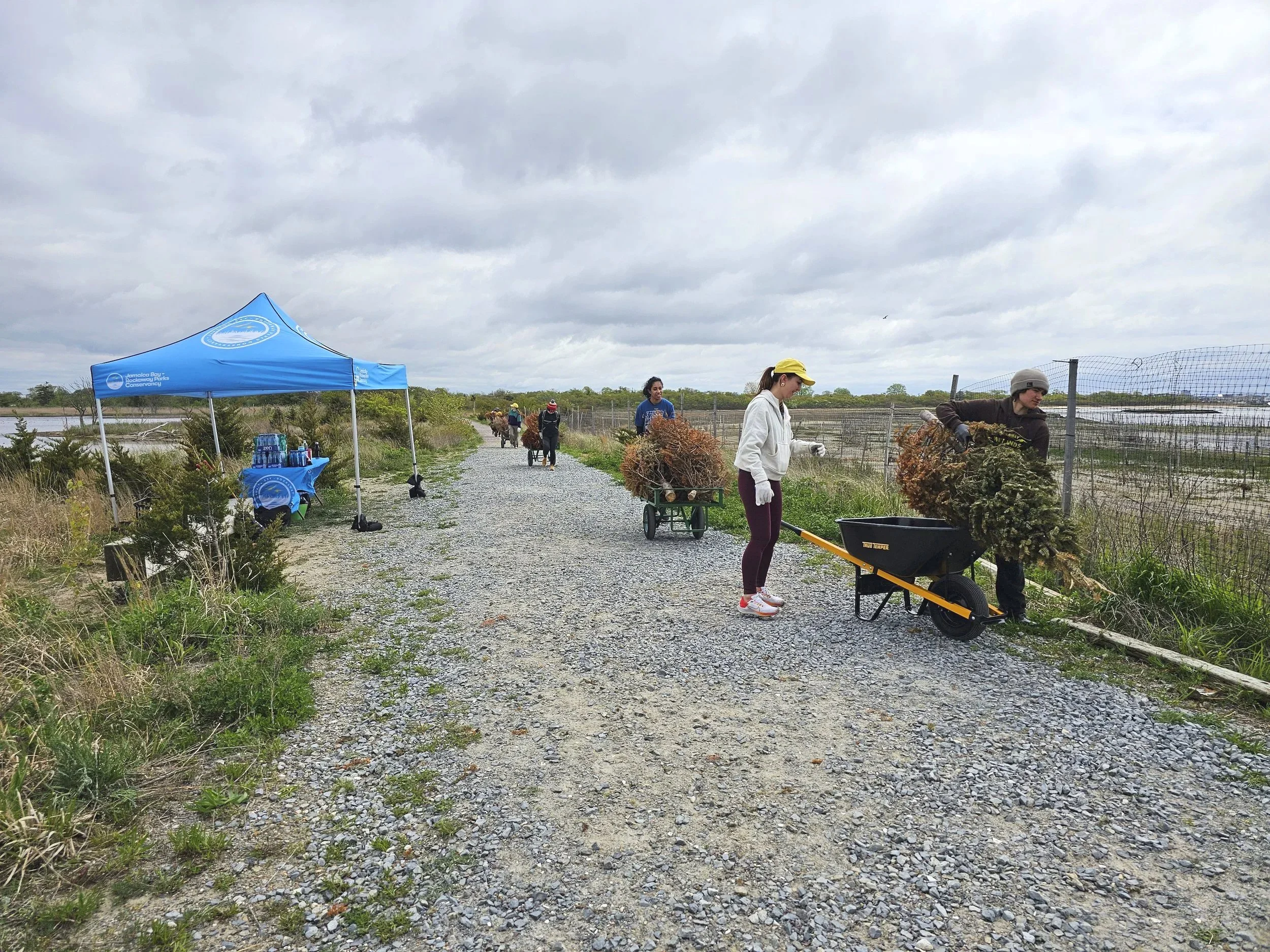
To help trap sediment and buffer wave action, JBRPC partnered with NYC Parks to collect Christmas trees from the surrounding community. The trees were bundled into fascines and installed along the shoreline. The structures slow waves, capture sediment carried by tides, and gradually help build new marsh surfaces. JBRPC staff install and maintain over 700 linear feet of tree fascines each year.
Monitoring and measuring progress
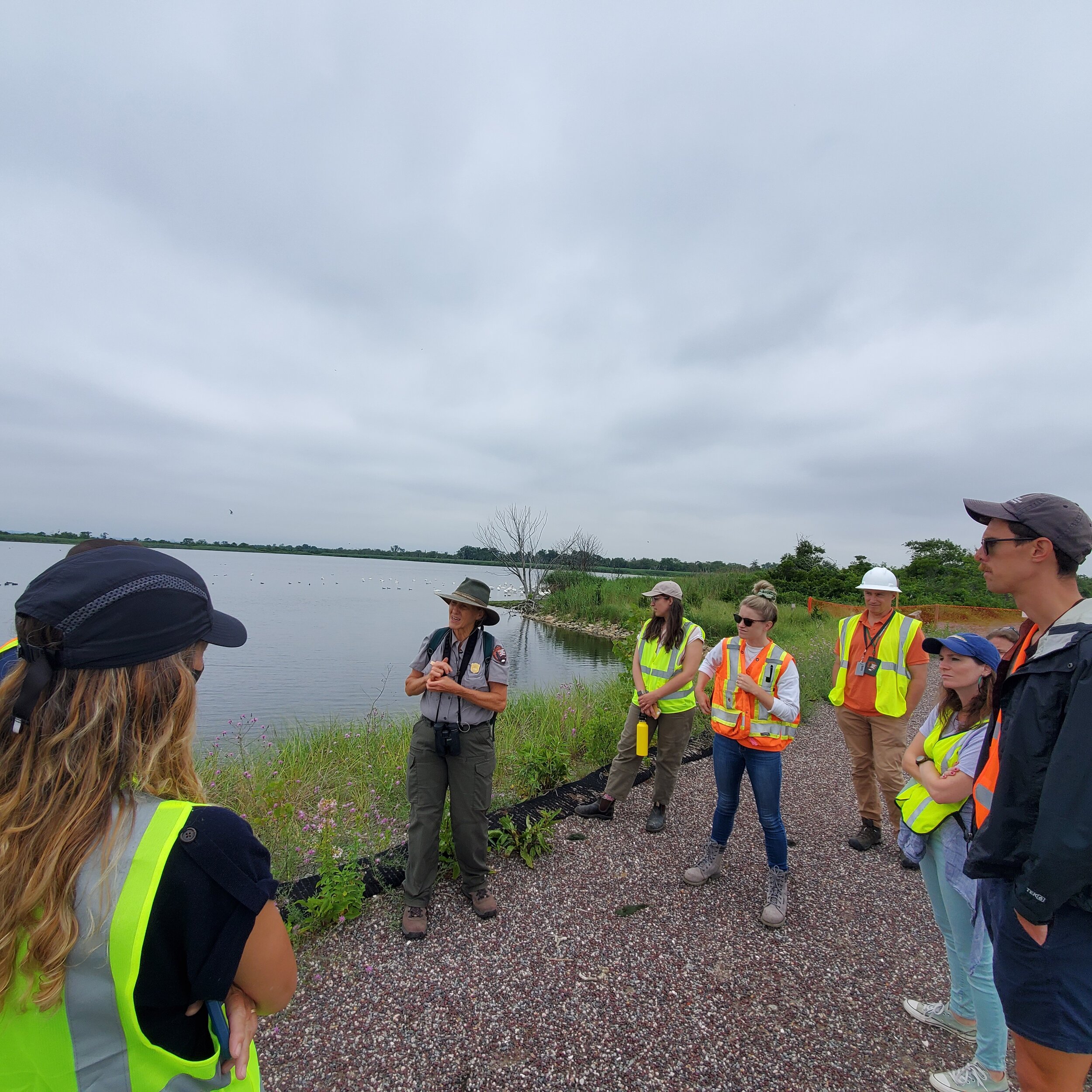
JBRPC works closely with the Science and Resilience Institute at Jamaica Bay to monitor the shoreline.
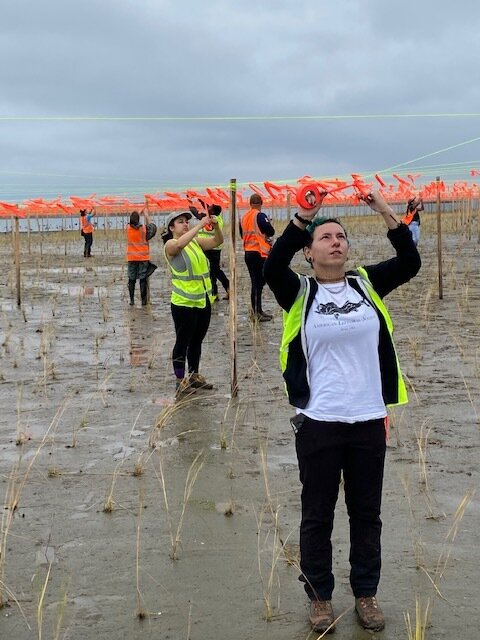
To meet the need for real-time information, the team developed a Rapid Assessment Survey, a holistic tool to evaluate marsh health. Led by the Wetlands Fellows, the survey informs immediate action on the ground. By tracking vegetation, sediment levels, and shoreline change, allowing the team to quickly identify shifts in conditions and where additional intervention is needed. These observations guide ongoing planting, sediment stabilization, and shoreline protection efforts.
A Living Shoreline That Continues to Evolve
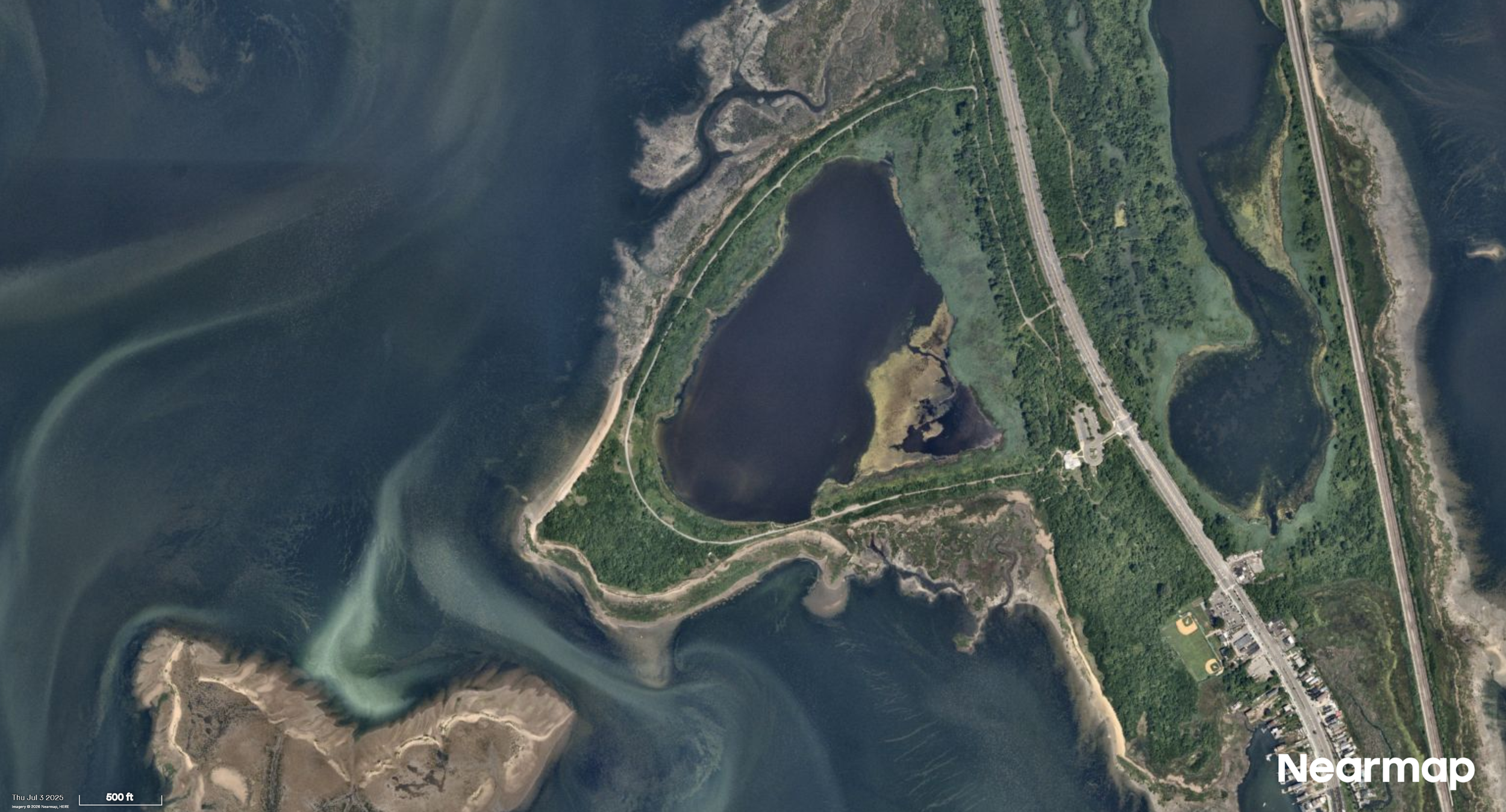
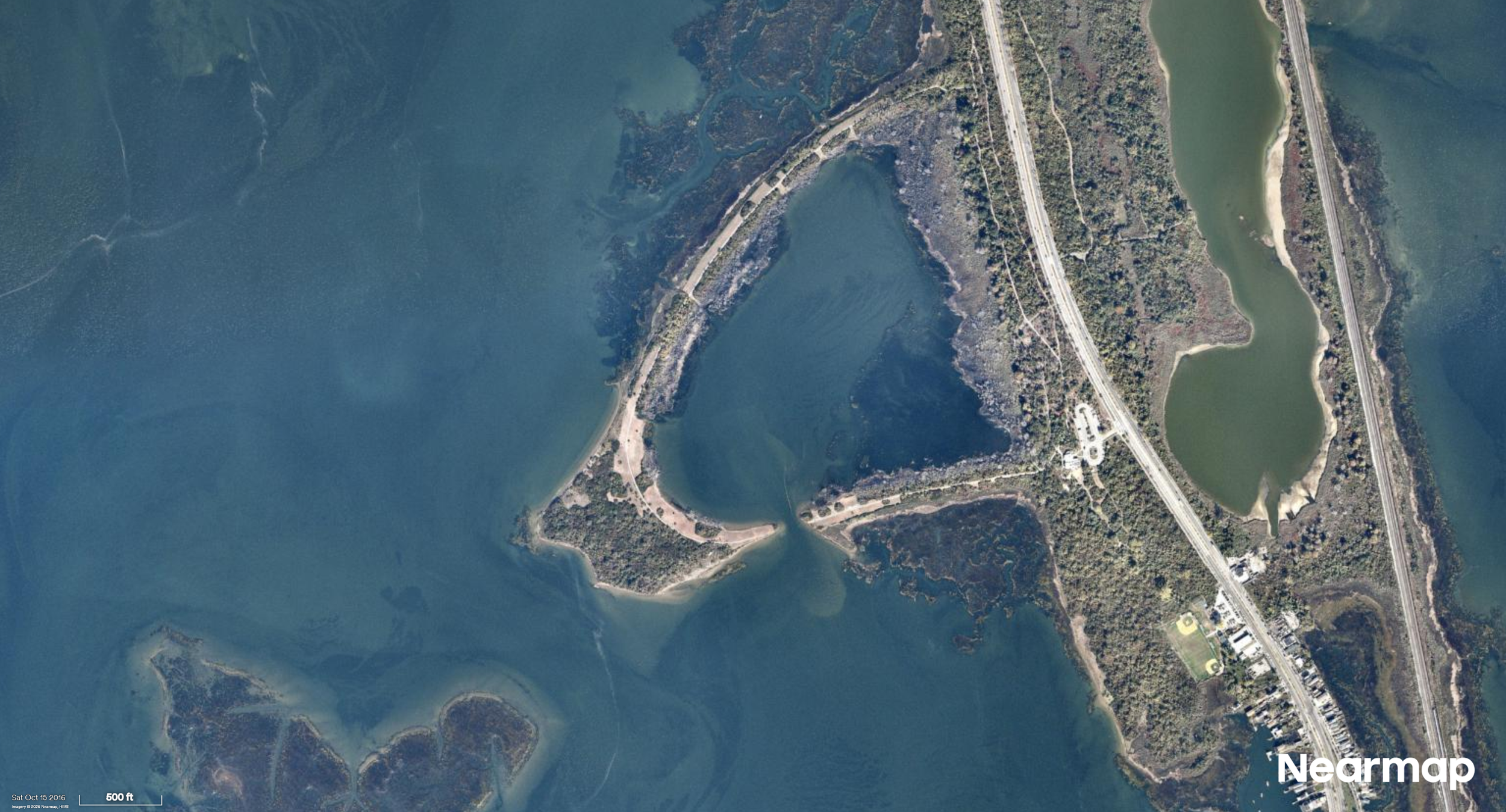
West Pond in 2012 <|> West Pond in 2025
This project is a story of ecological recovery, persistence and adaptive management.
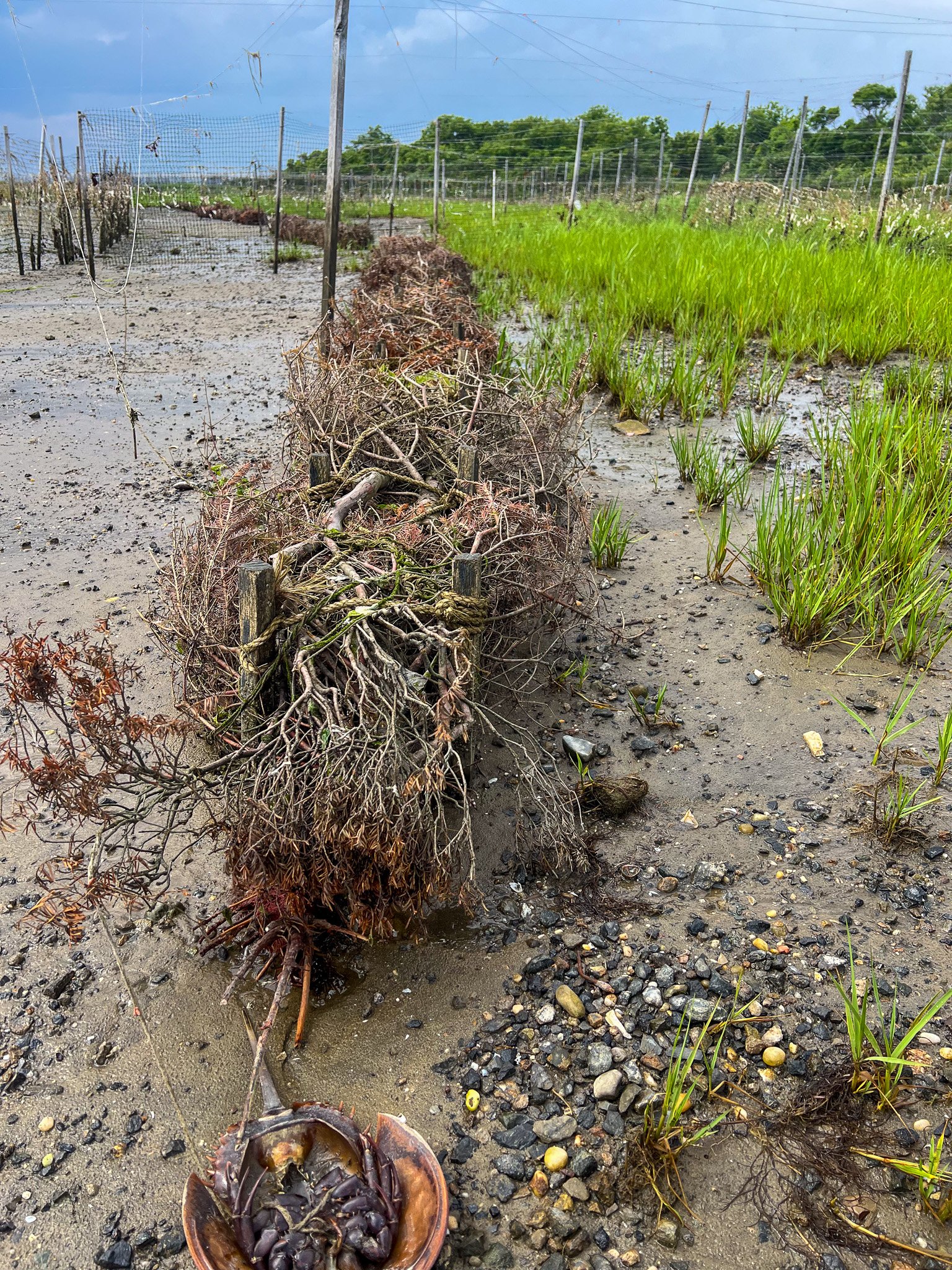
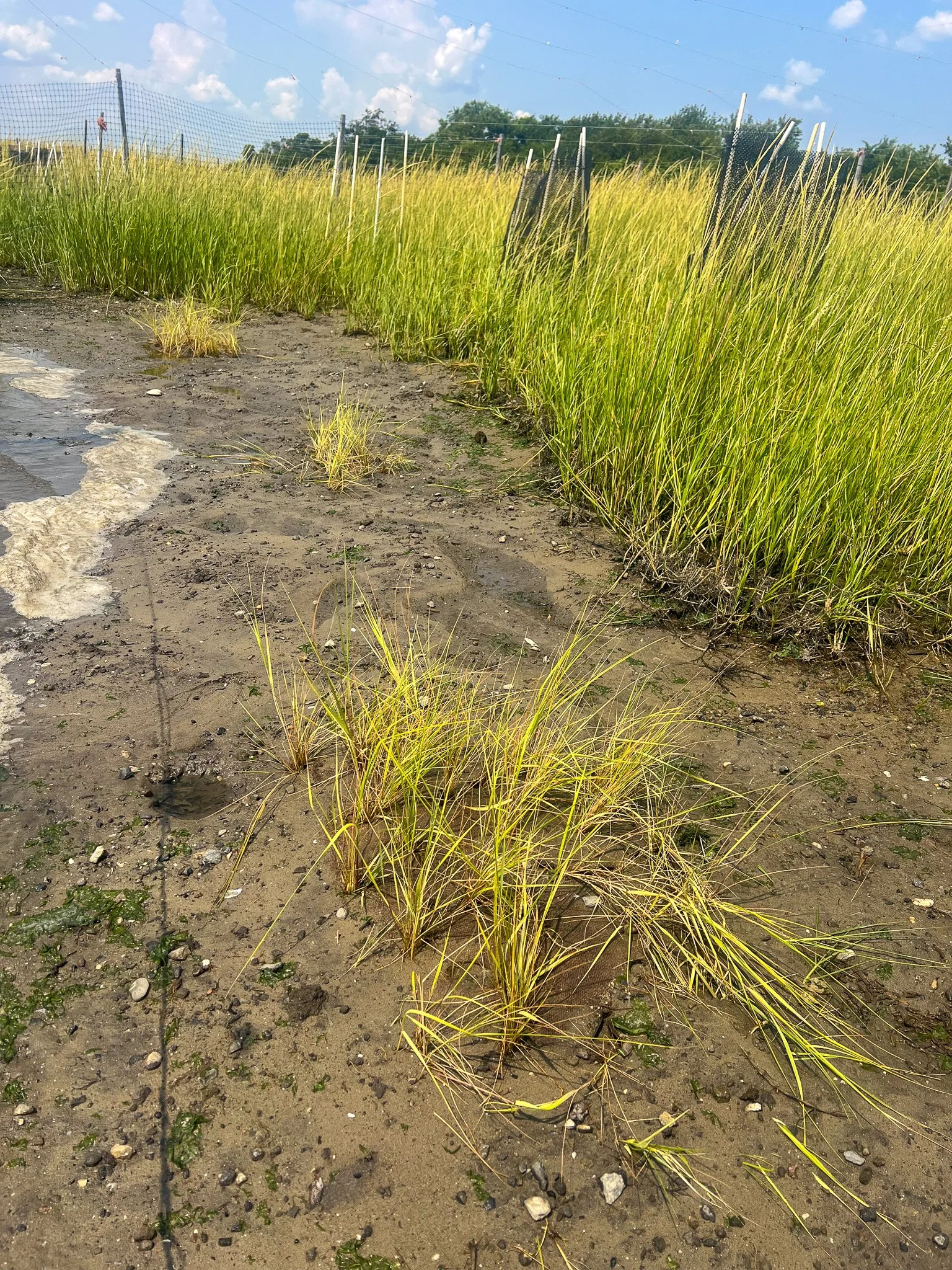
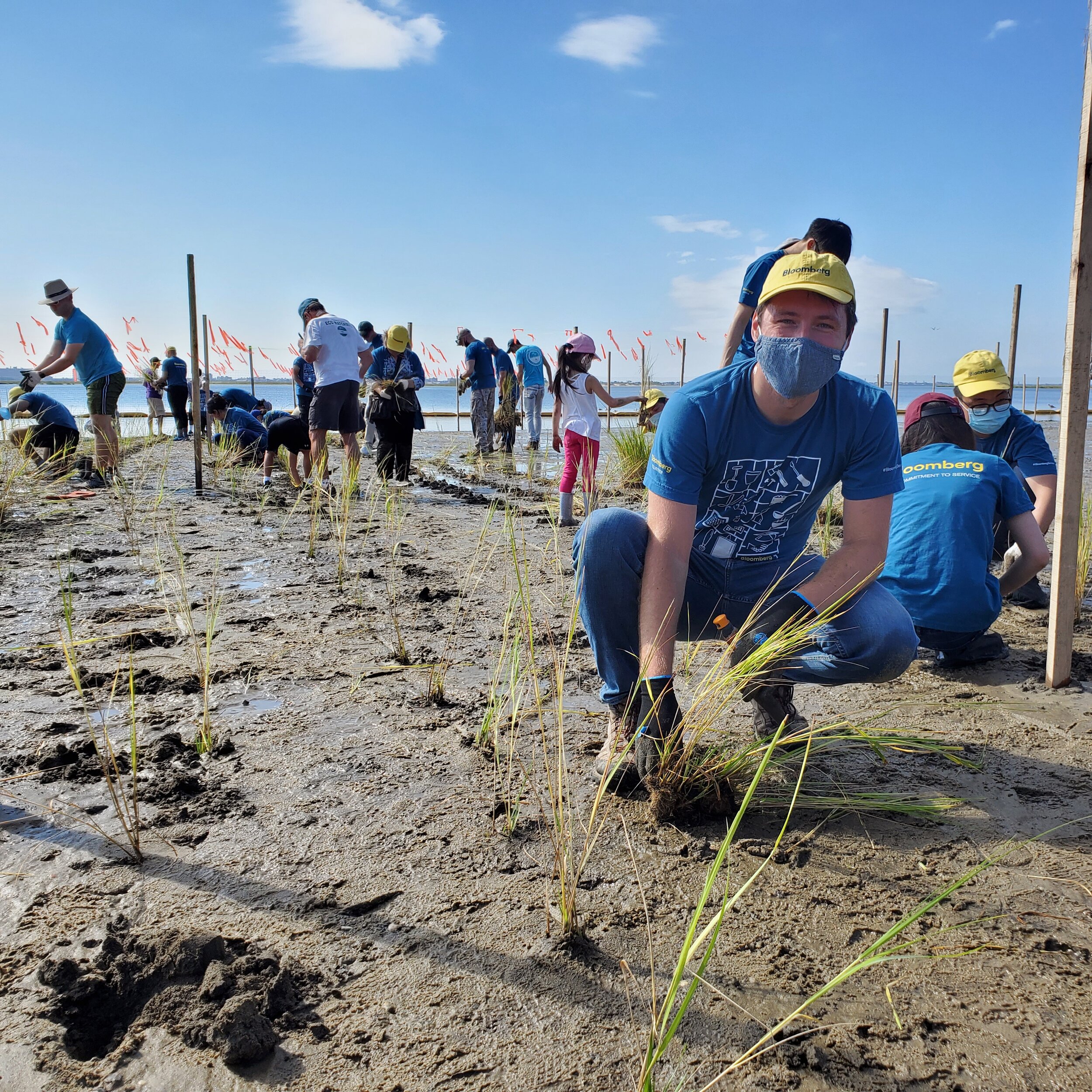
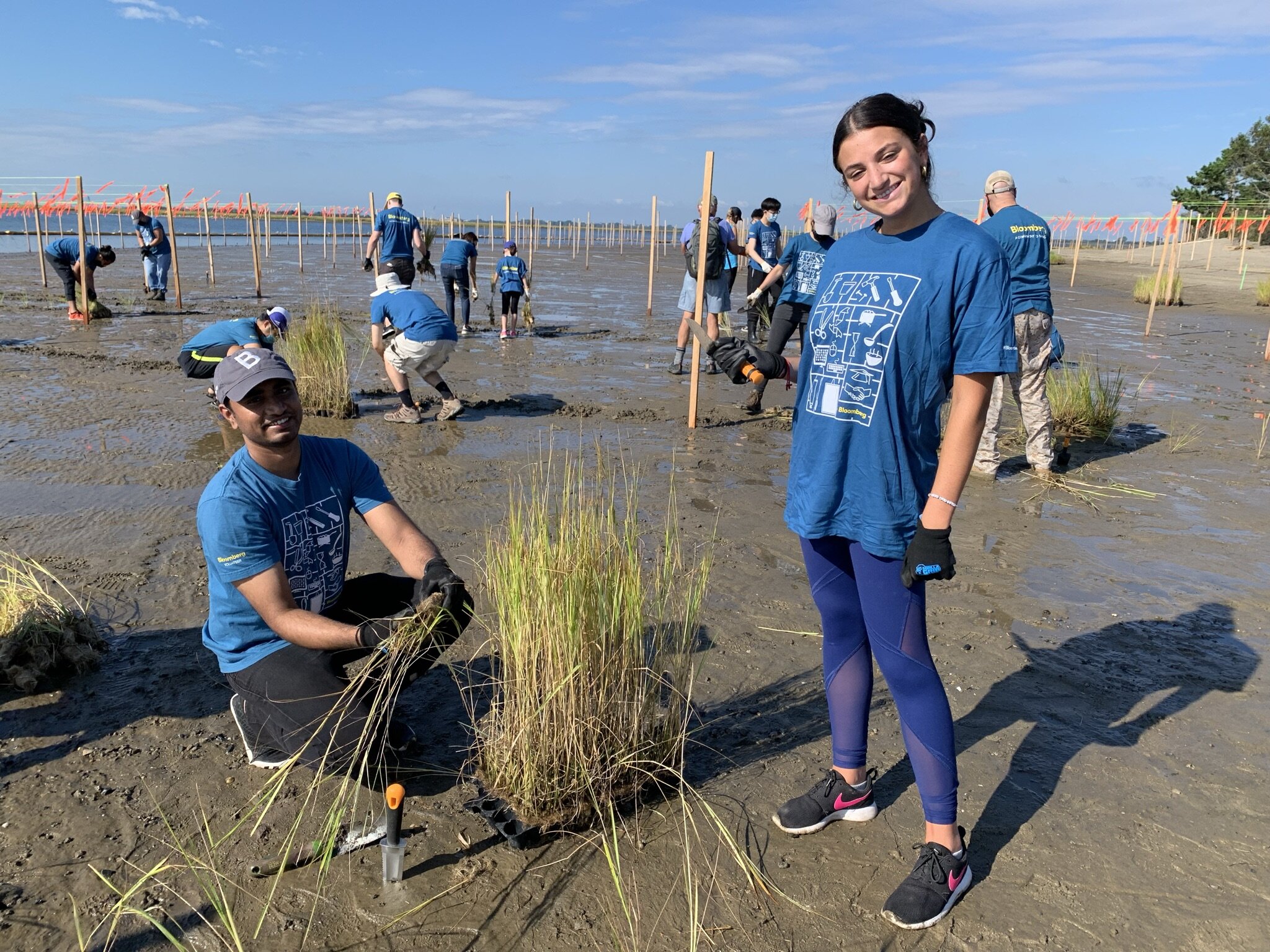
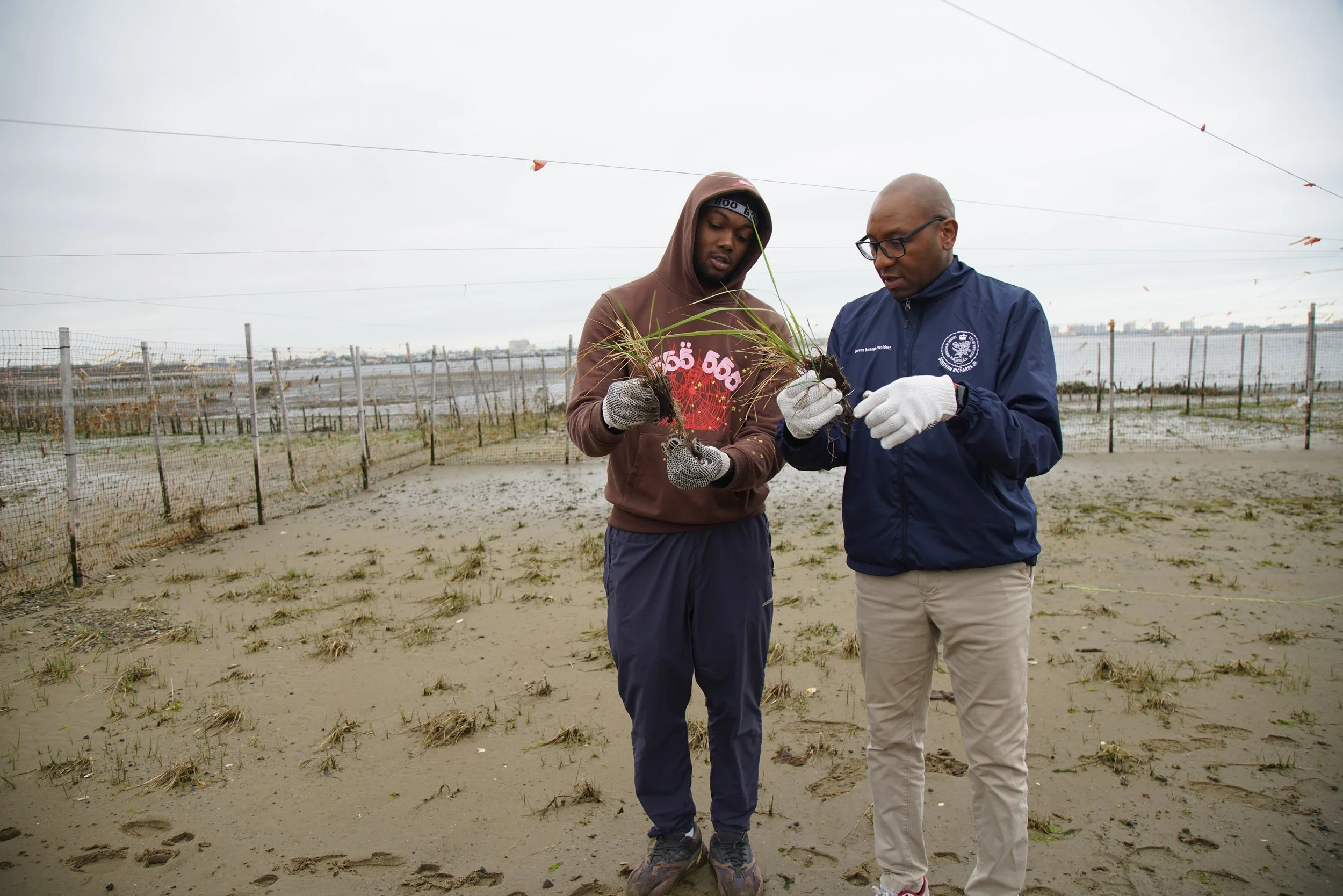
At the heart of this work are the Jamaica Bay Wetlands Fellows, young people from surrounding communities who serve as stewards of this landscape. The Fellows plant, monitor, and maintain the shoreline, and played a leading role in the replanting effort. They implement restoration techniques, collect data, and help refine strategies in real time.
They are not just supporting the work, they are adaptive managers, rebuilding the systems that help protect their own communities.
History
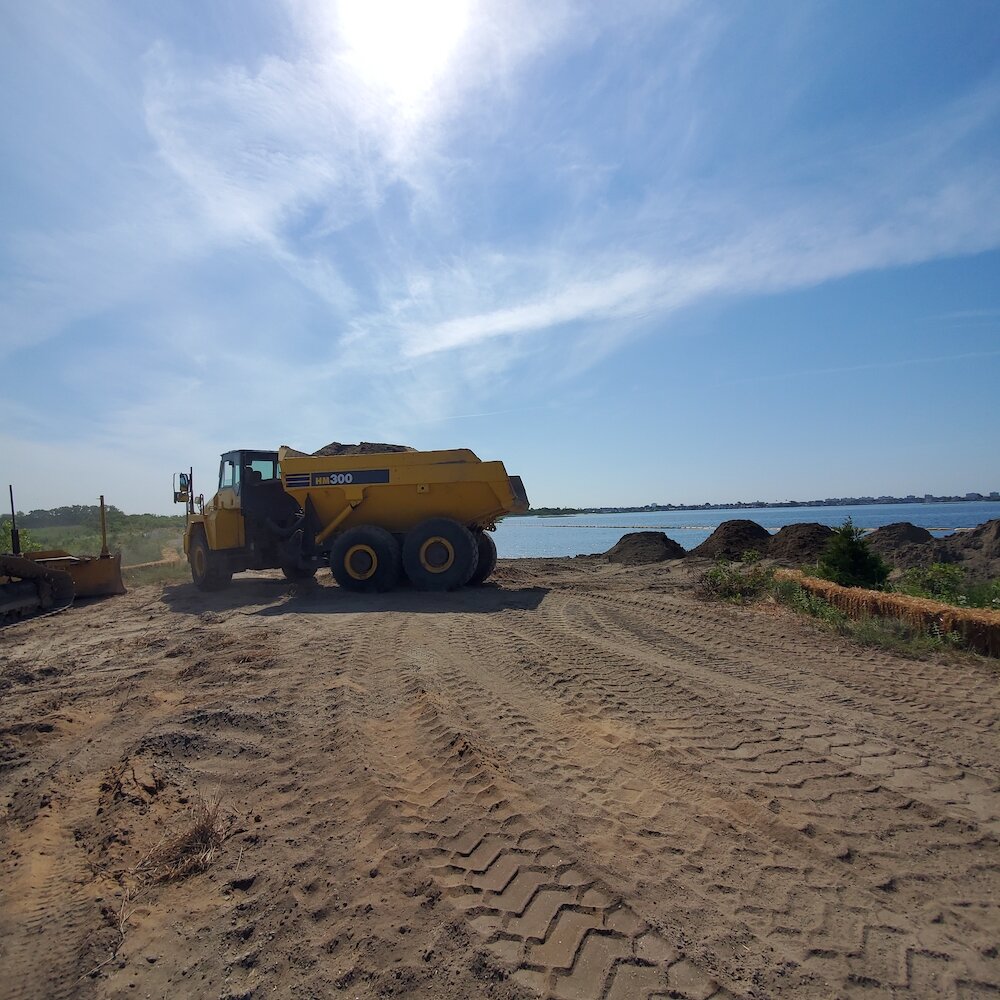
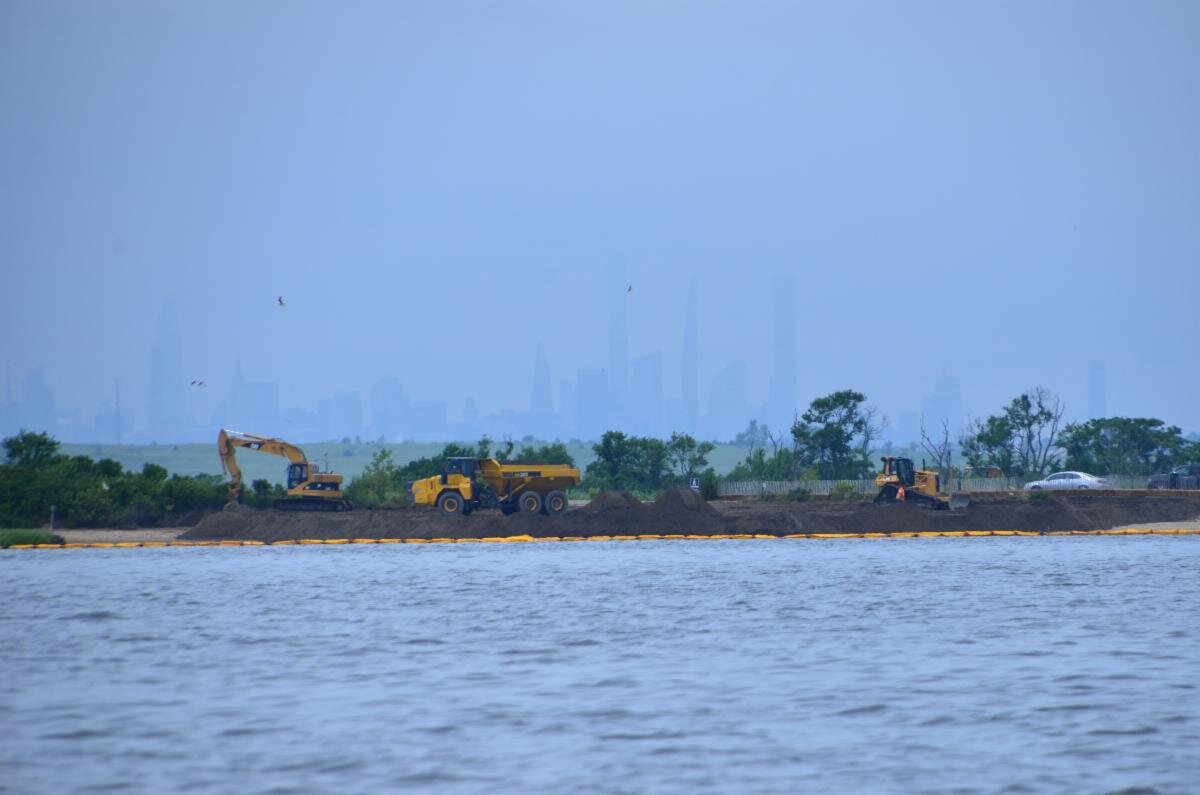
The West Pond restoration began after Superstorm Sandy breached the shoreline in 2012, allowing freshwater to mix with Jamaica Bay’s tidal waters. The National Park Service repaired the breach in 2017, but the shoreline and West Pond Trail remained vulnerable to erosion.
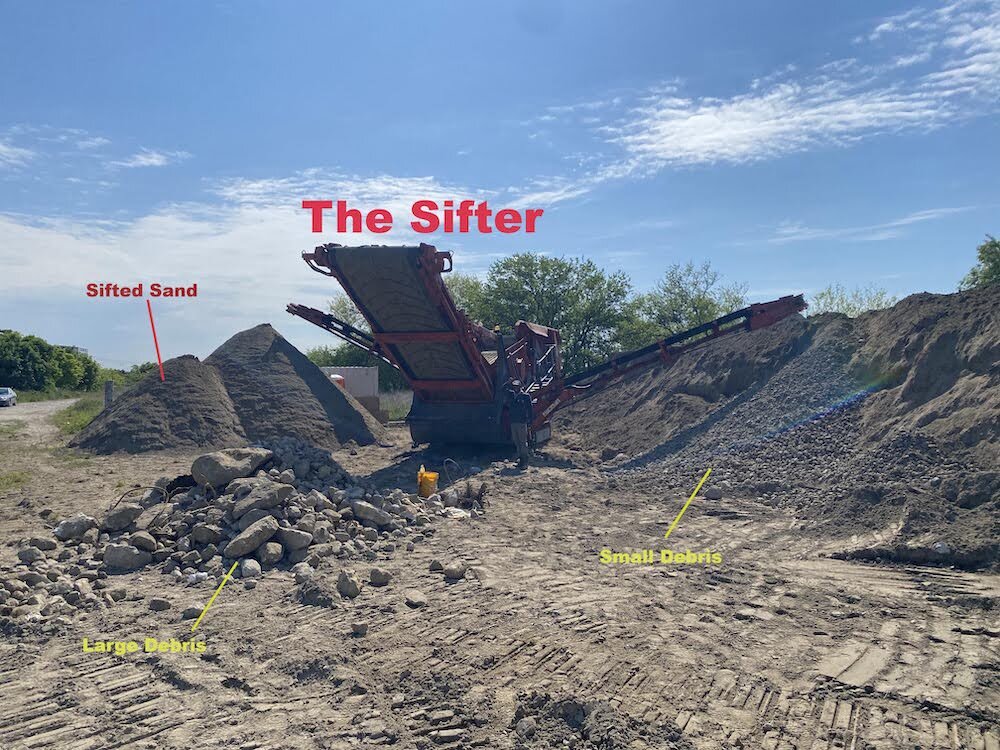
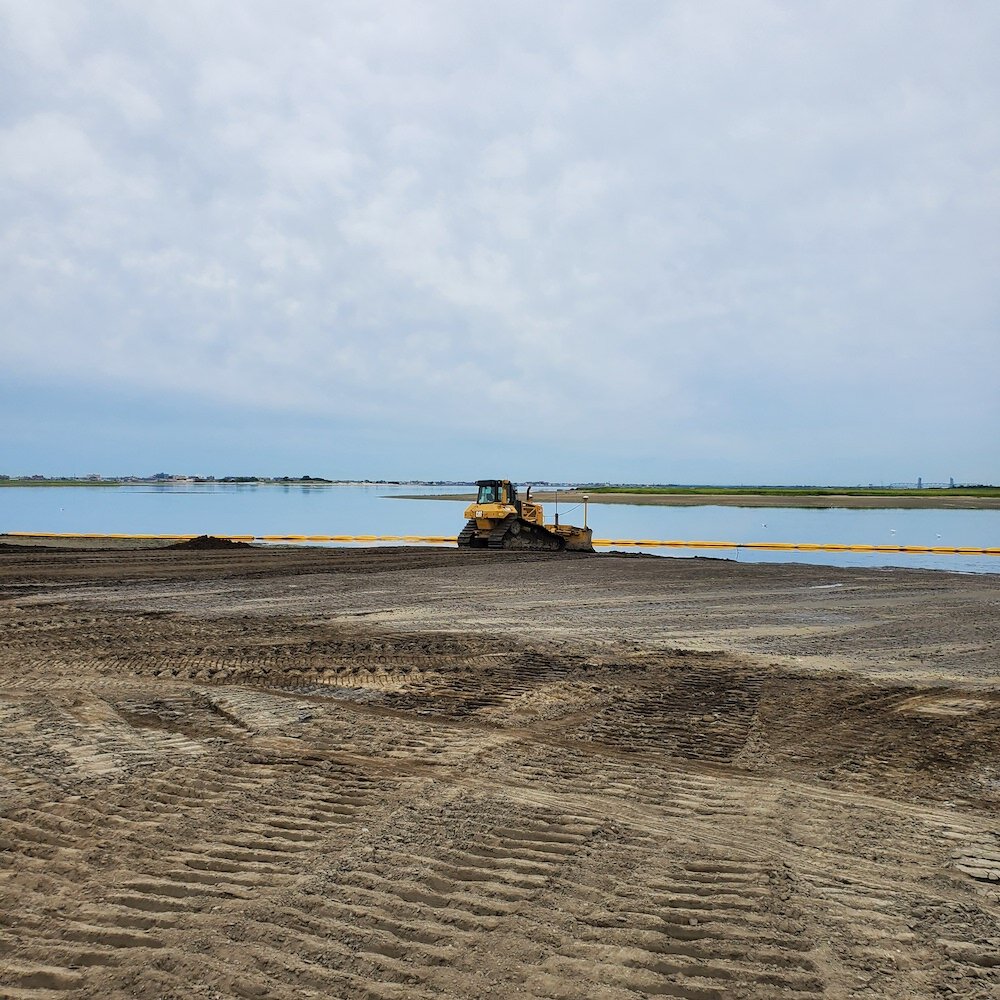
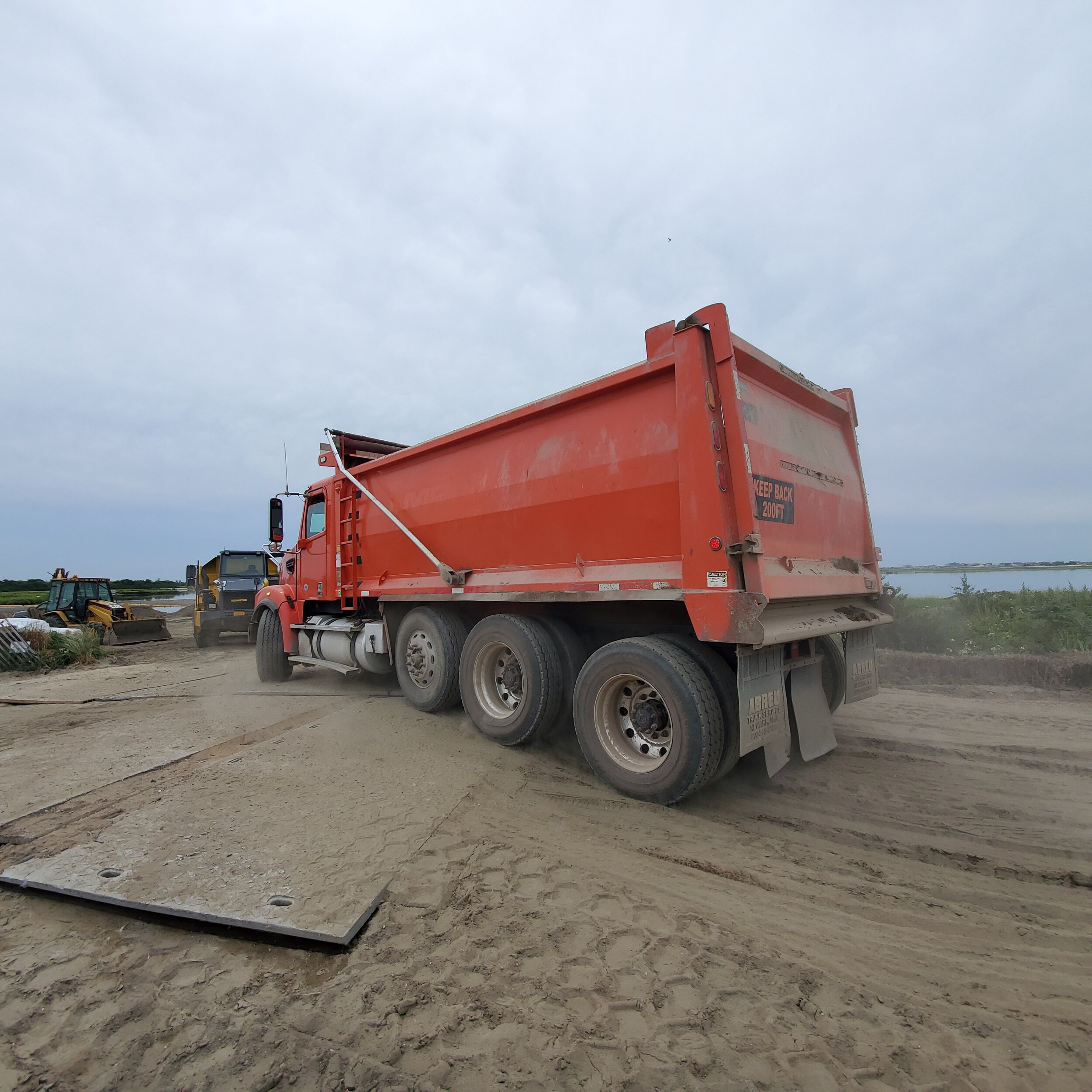
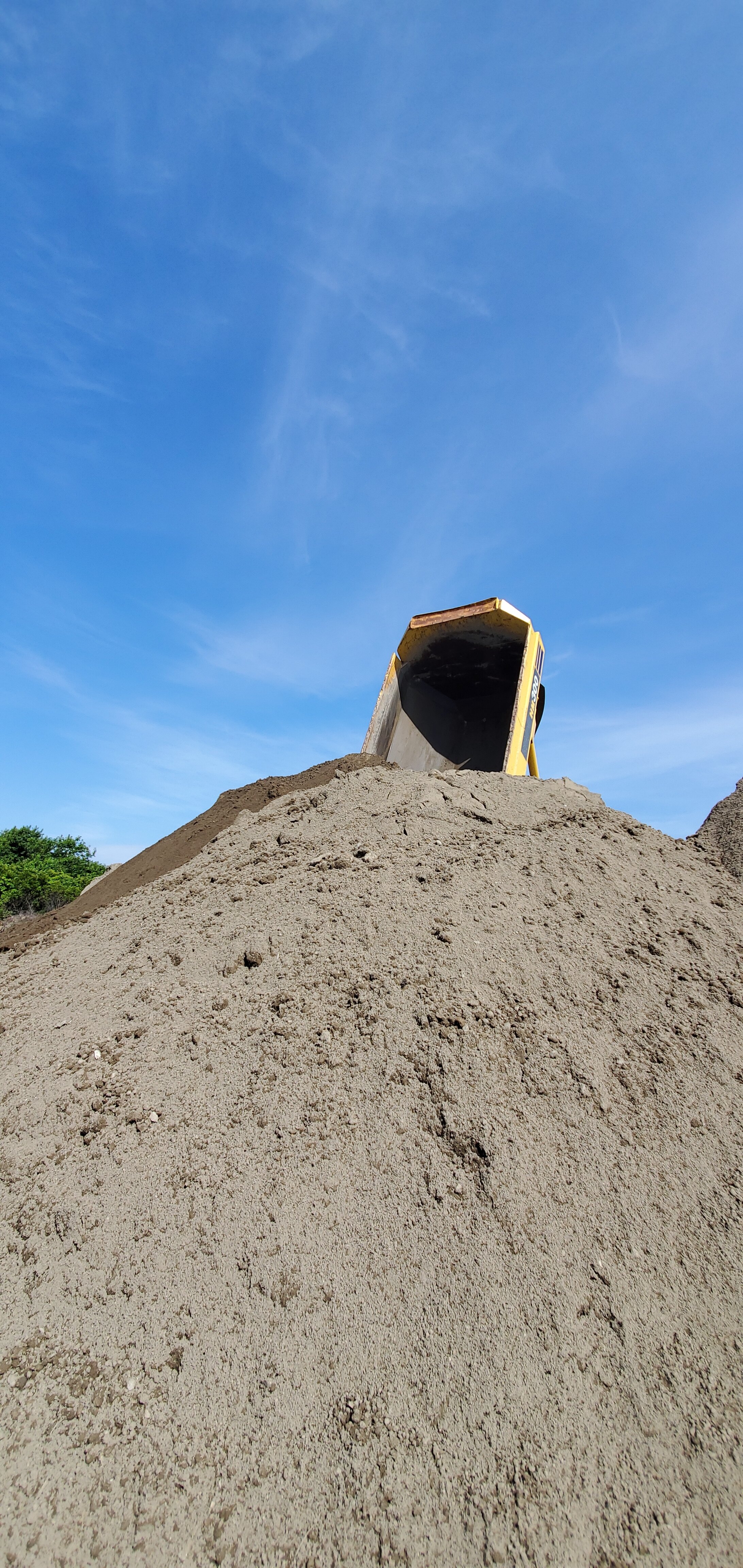
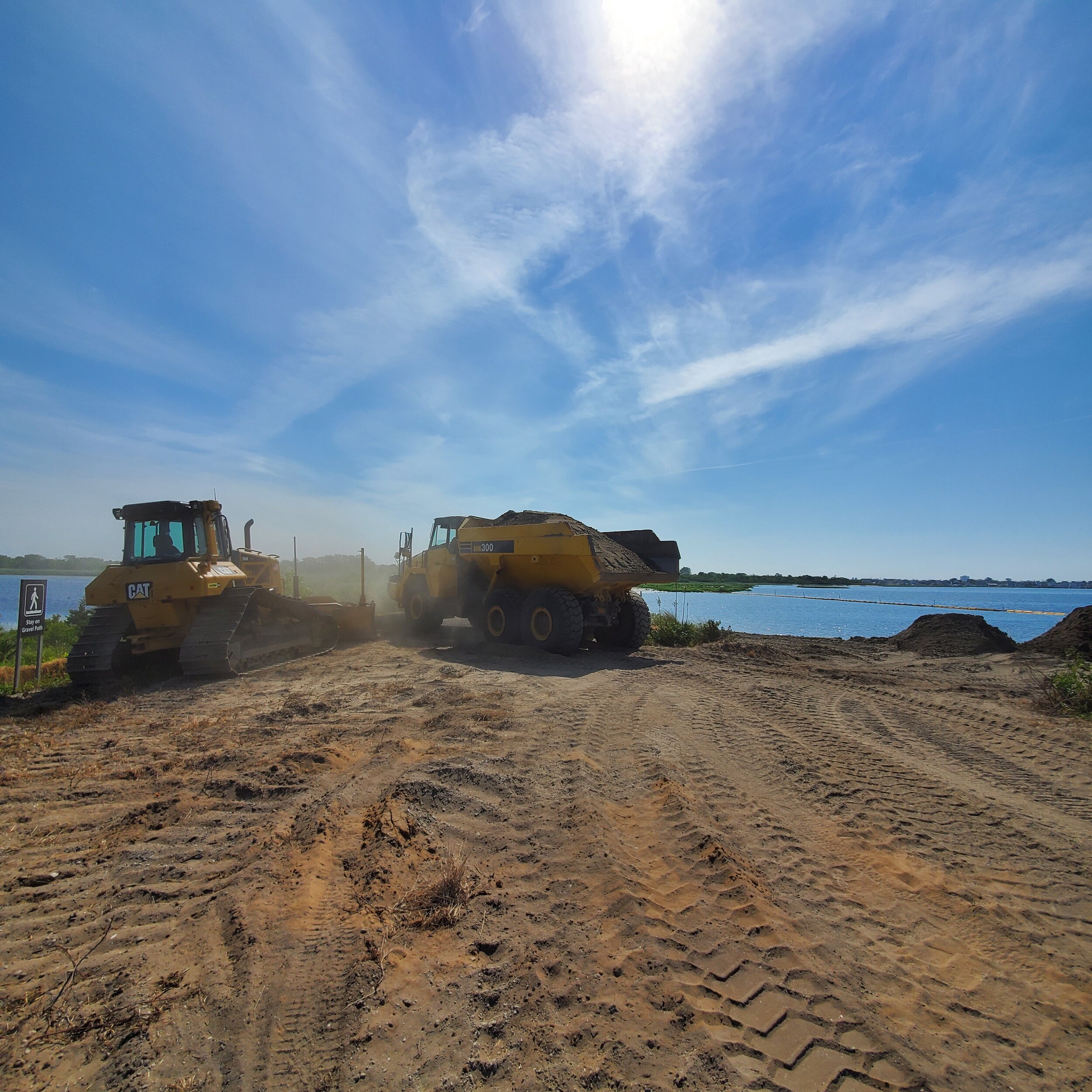
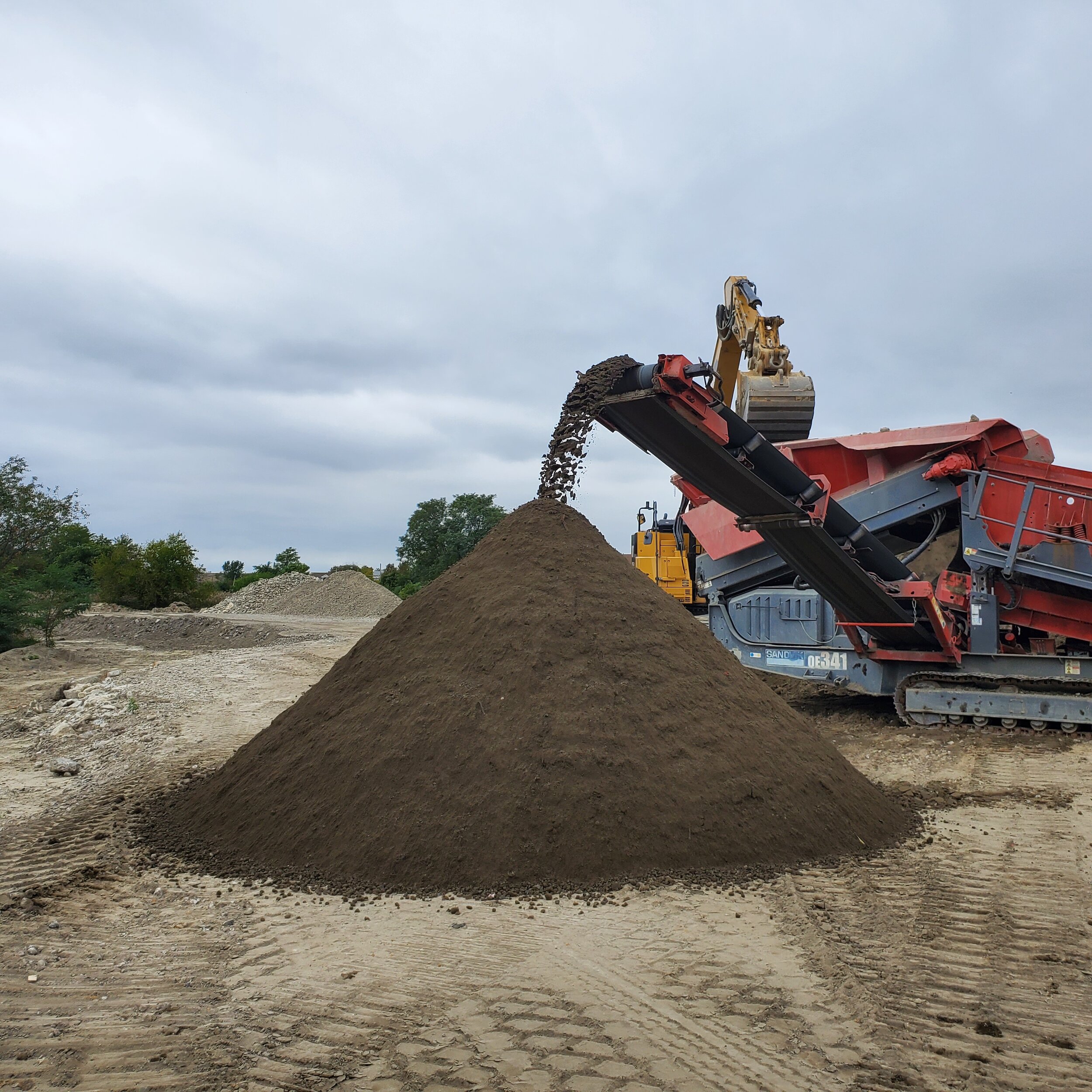
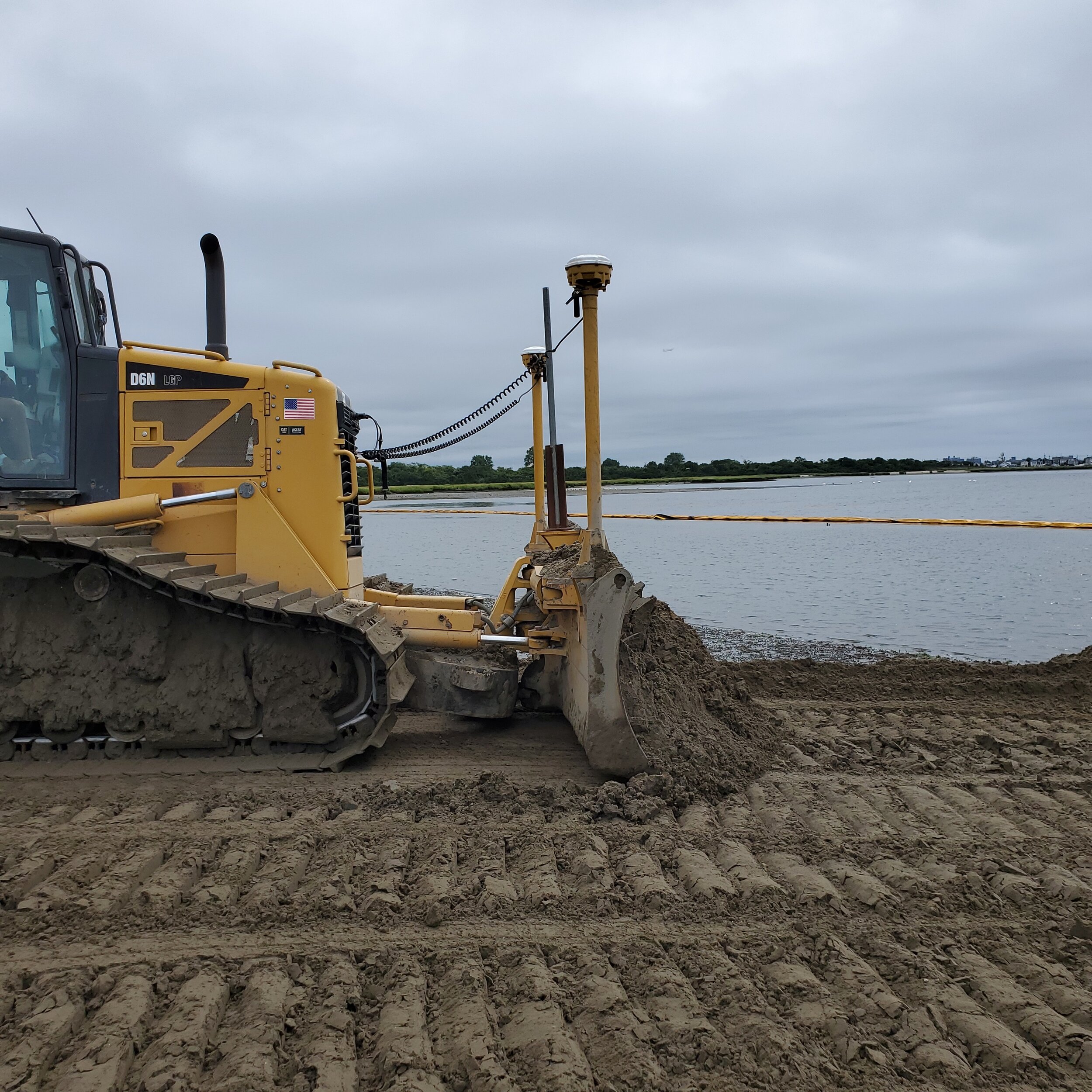
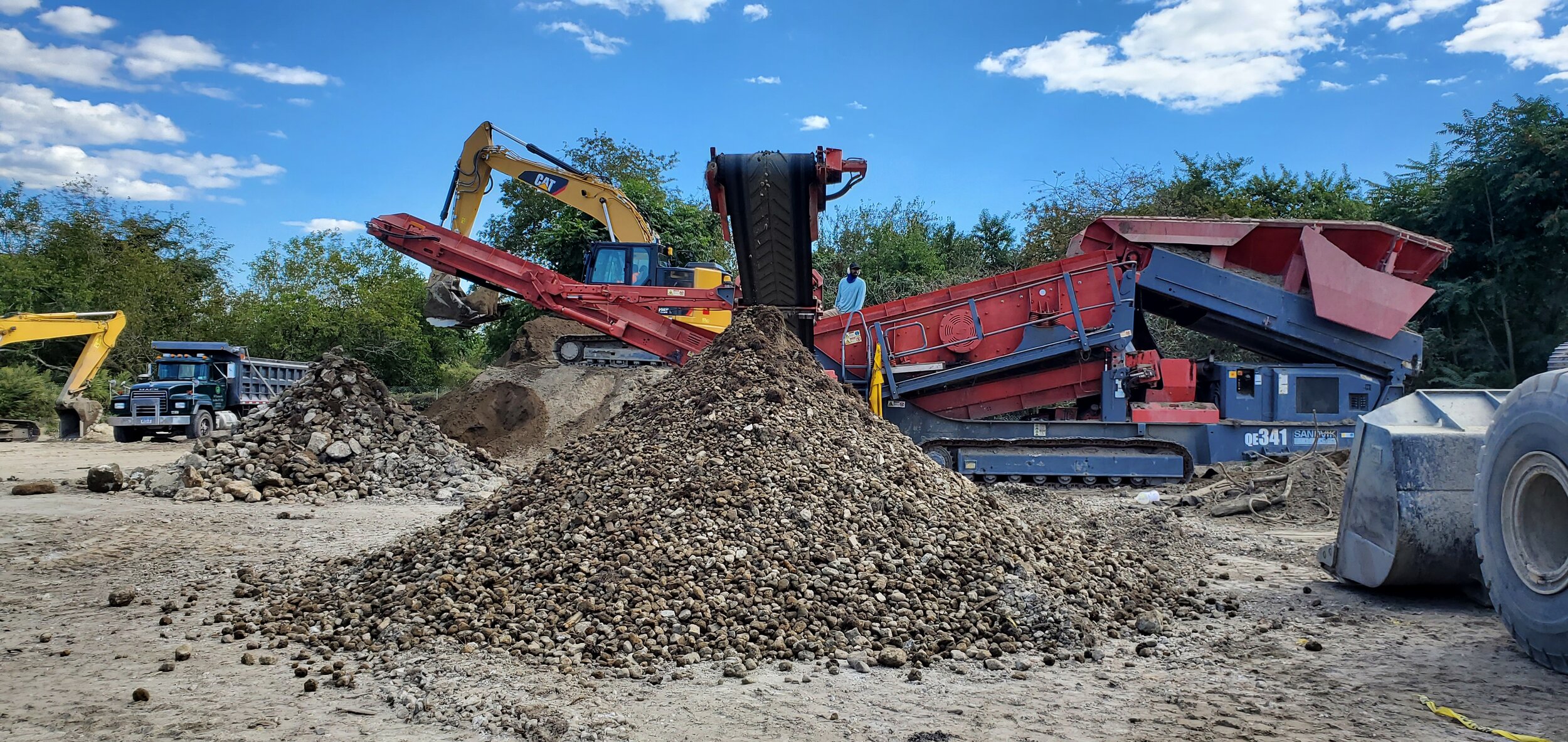
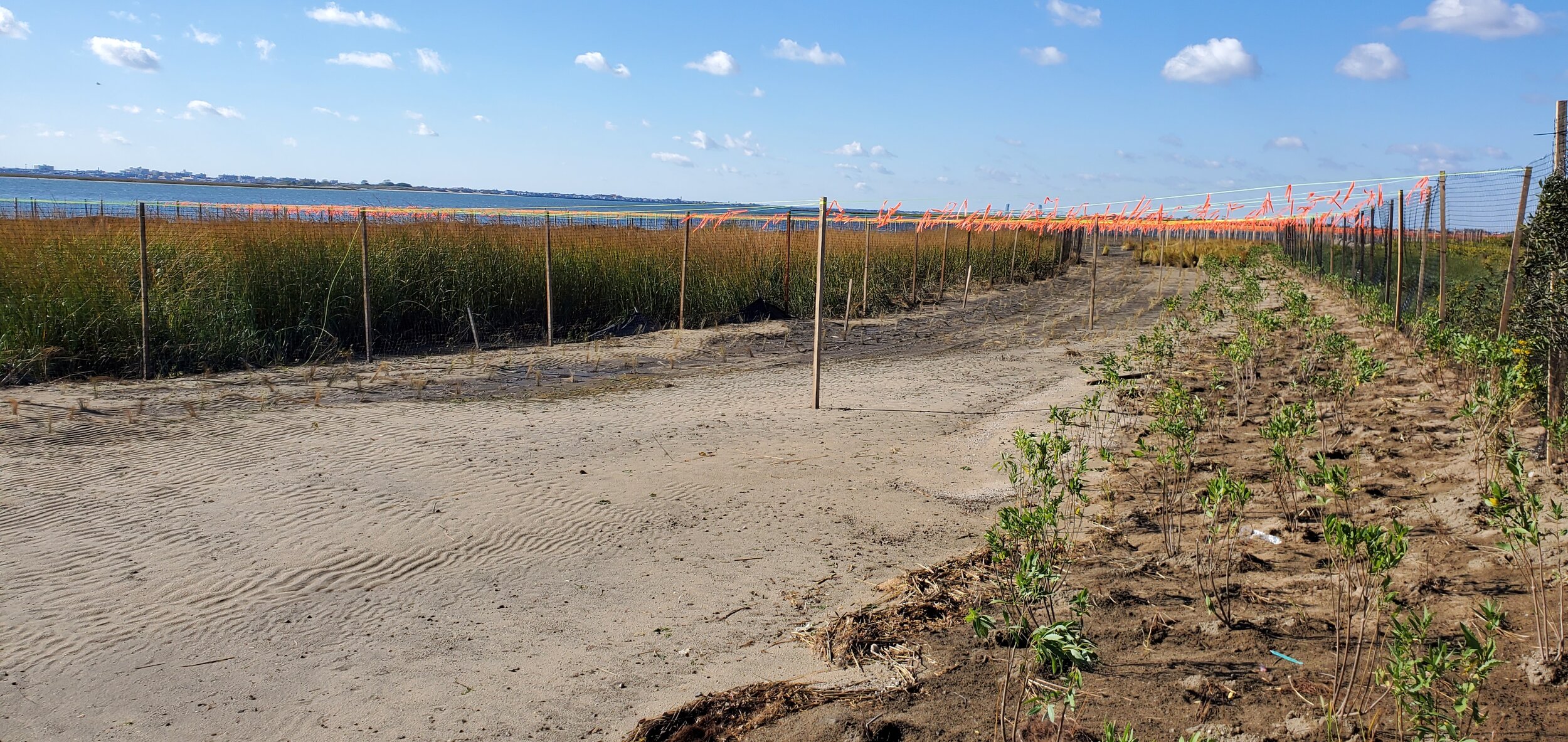
In partnership with the National Park Service, the JBRPC helped lead the restoration effort. Over 51,000 cubic yards of sand were added to rebuild the shoreline, restoring and creating more than 23 acres of habitat. Since then, more than 265,000 native plants have been installed along over 2,400 linear feet of shoreline, restoring salt marsh habitat that supports birds, insects, and other wildlife.
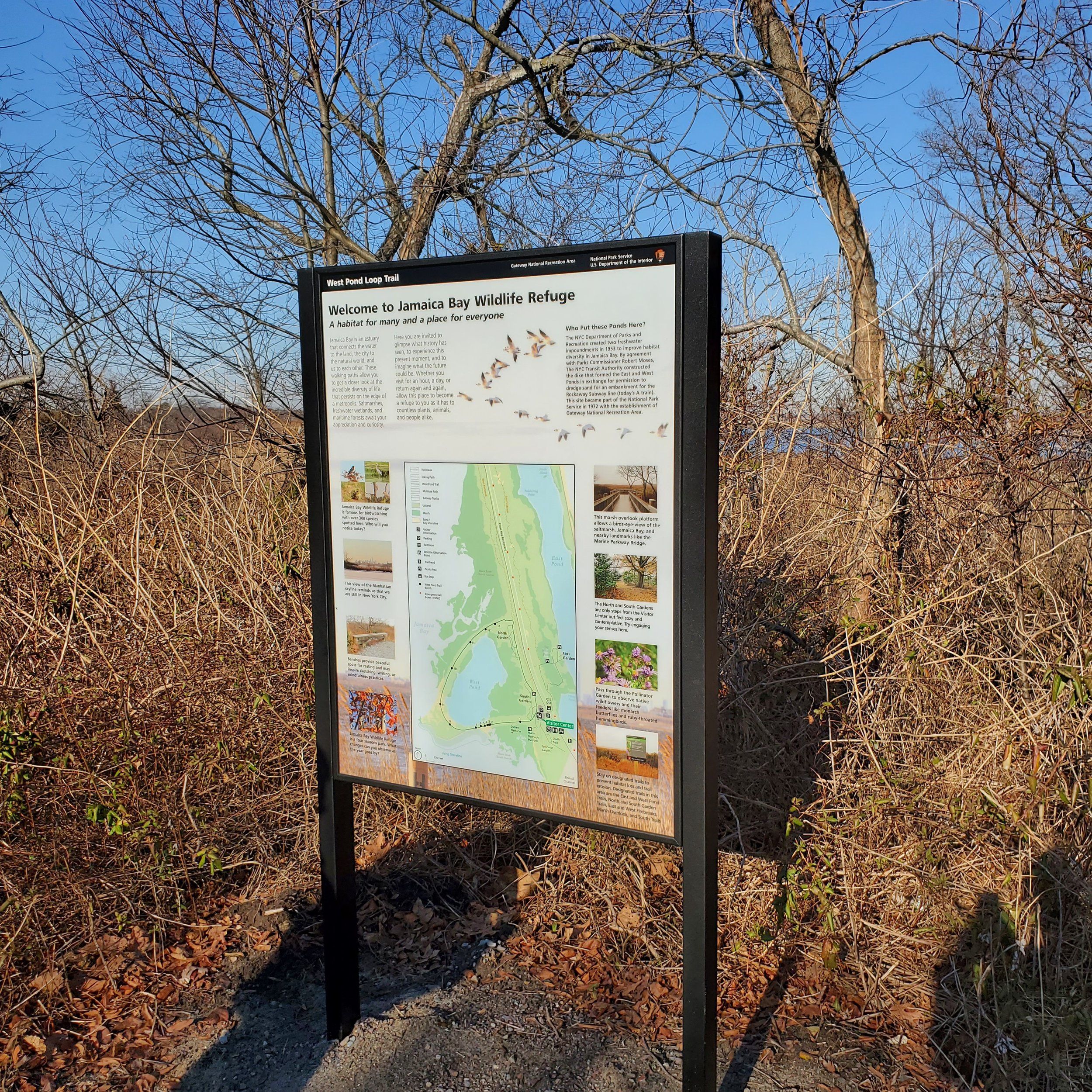
Today the Jamaica Bay Wildlife Refuge remains one of the most important ecological landscapes in New York City, providing habitat for more than 300 species of birds and serving as a critical system for coastal protection and water quality. This work builds on decades of advocacy from surrounding communities, including the Jamaica Bay Ecowatchers, who first raised the alarm as marsh islands disappeared and helped drive the vision for restoring Jamaica Bay.
The West Pond Living Shoreline is an evolving landscape. Each year brings new plant growth, stronger root systems, and a more resilient shoreline. Continued monitoring and adaptive management ensure that restoration efforts respond to changing conditions in the bay.
The project demonstrates how nature-based solutions succeed when they are guided by observation, experimentation, and adaptation.
The project demonstrates how nature-based solutions can succeed when they are guided by adaptive management. By listening to the landscape and responding, the West Pond shoreline is becoming a healthy, restored habitat- for wildlife, for visitors, and for the future of Jamaica Bay.
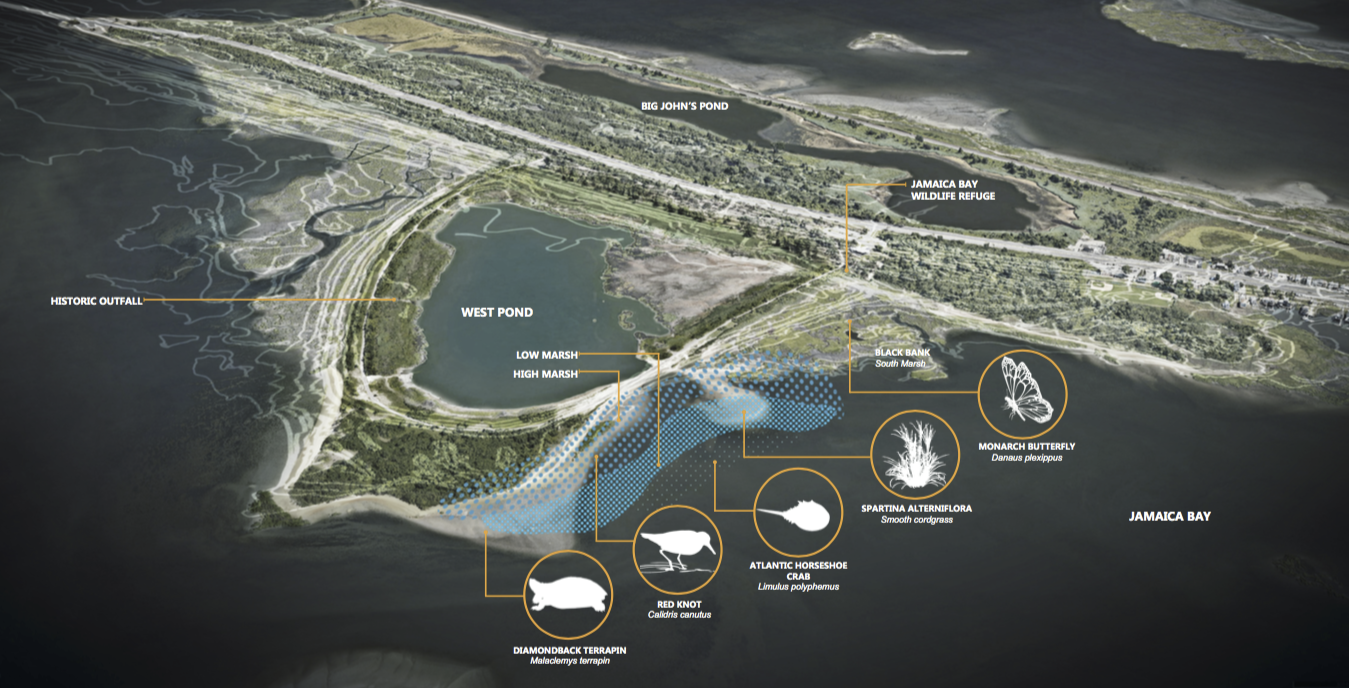
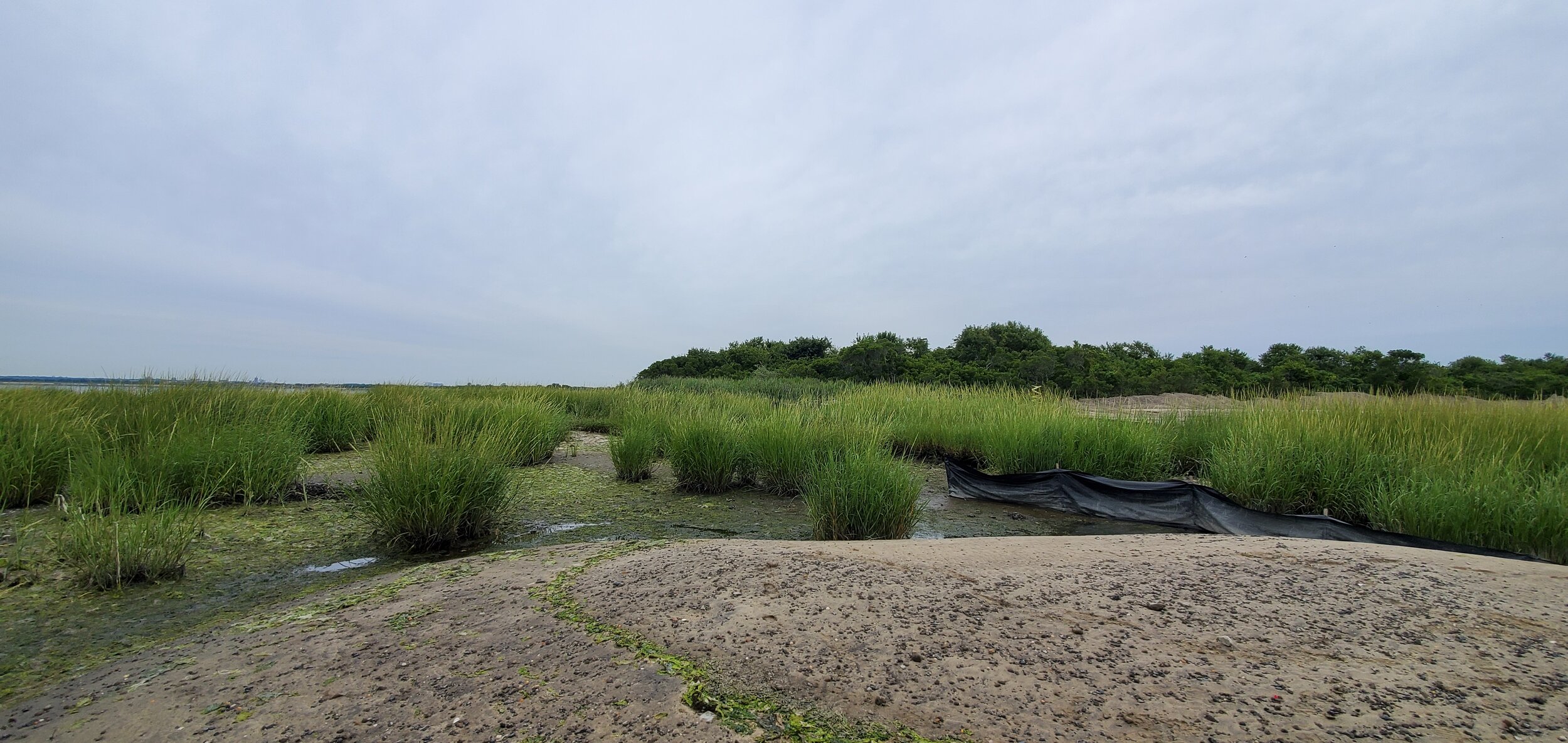
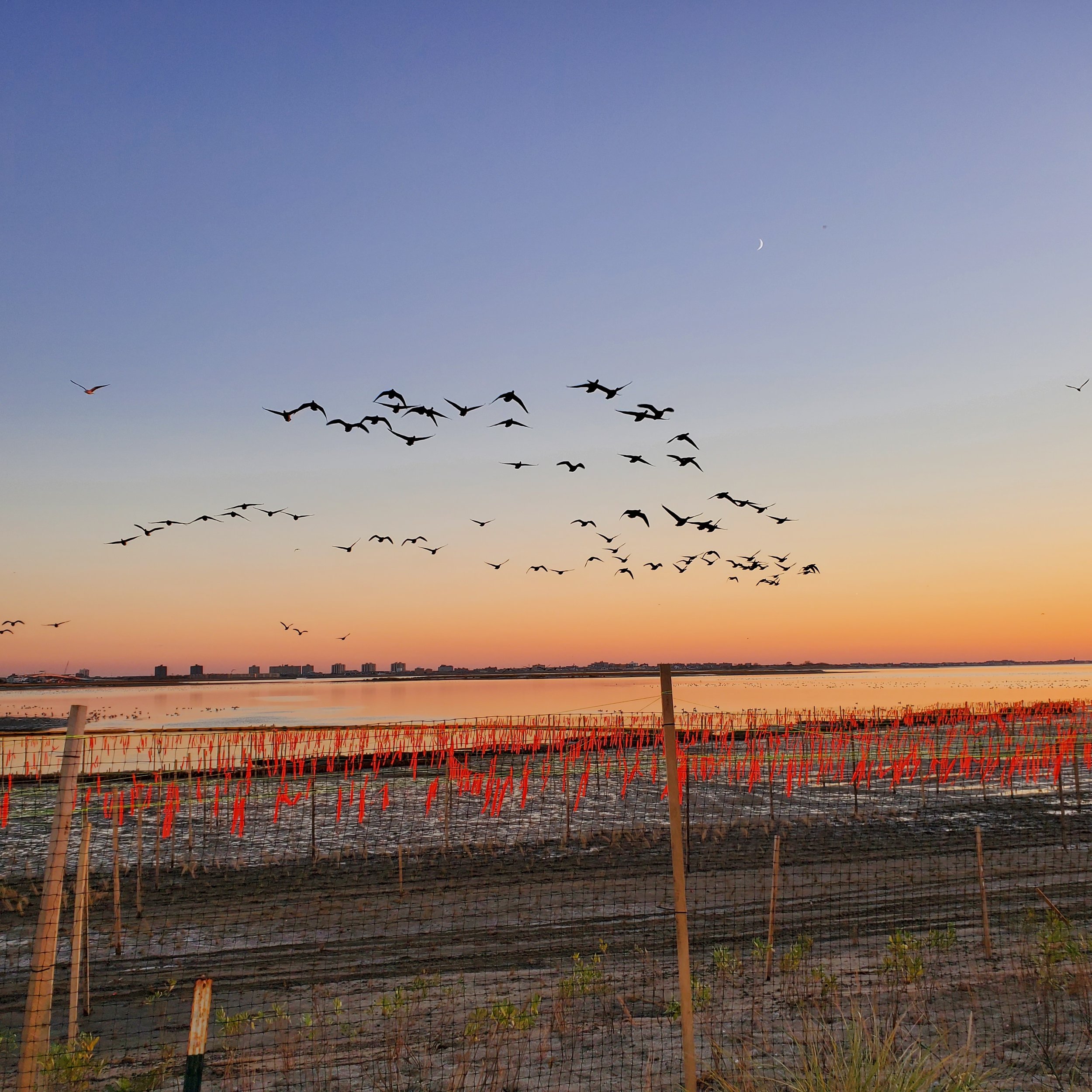
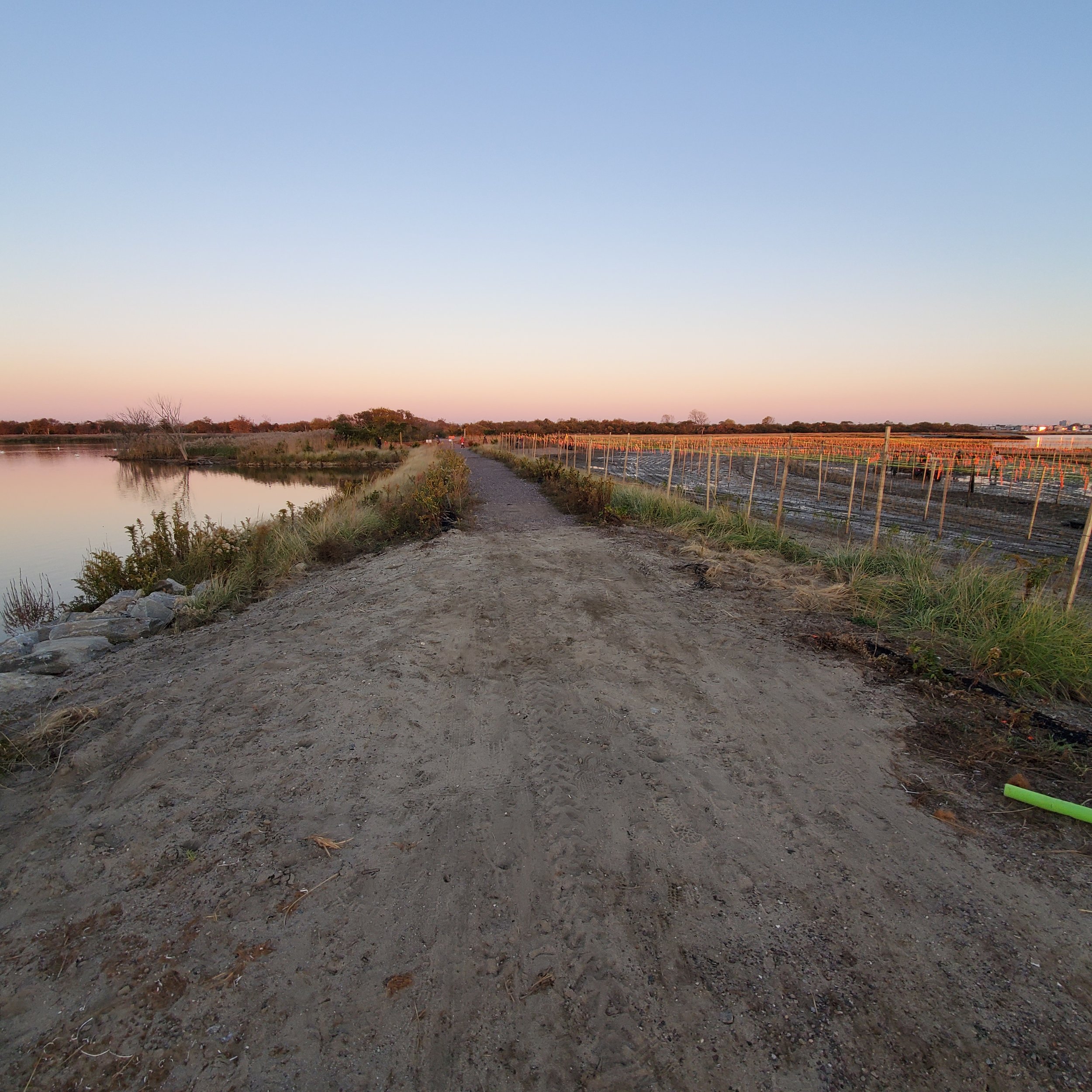
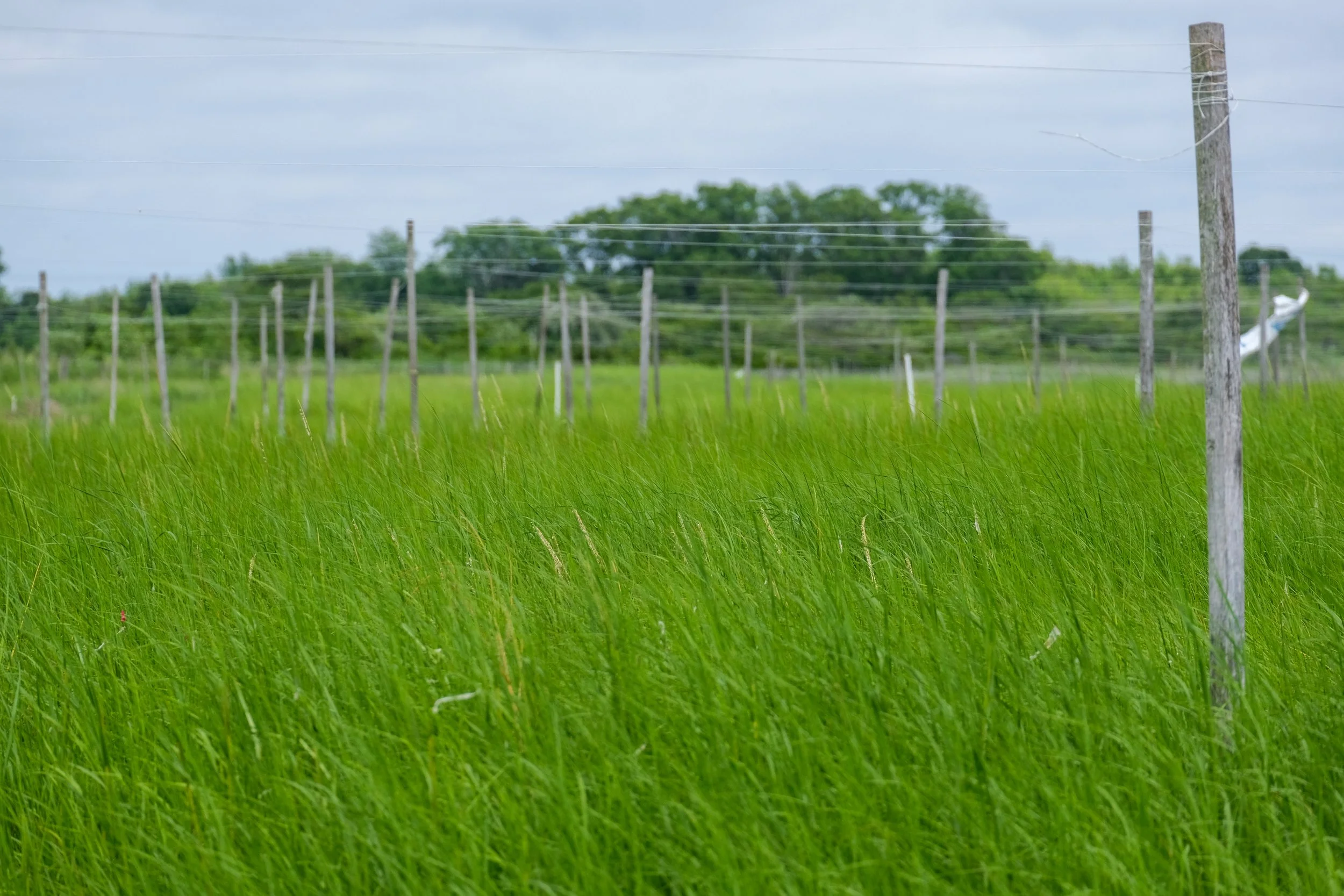
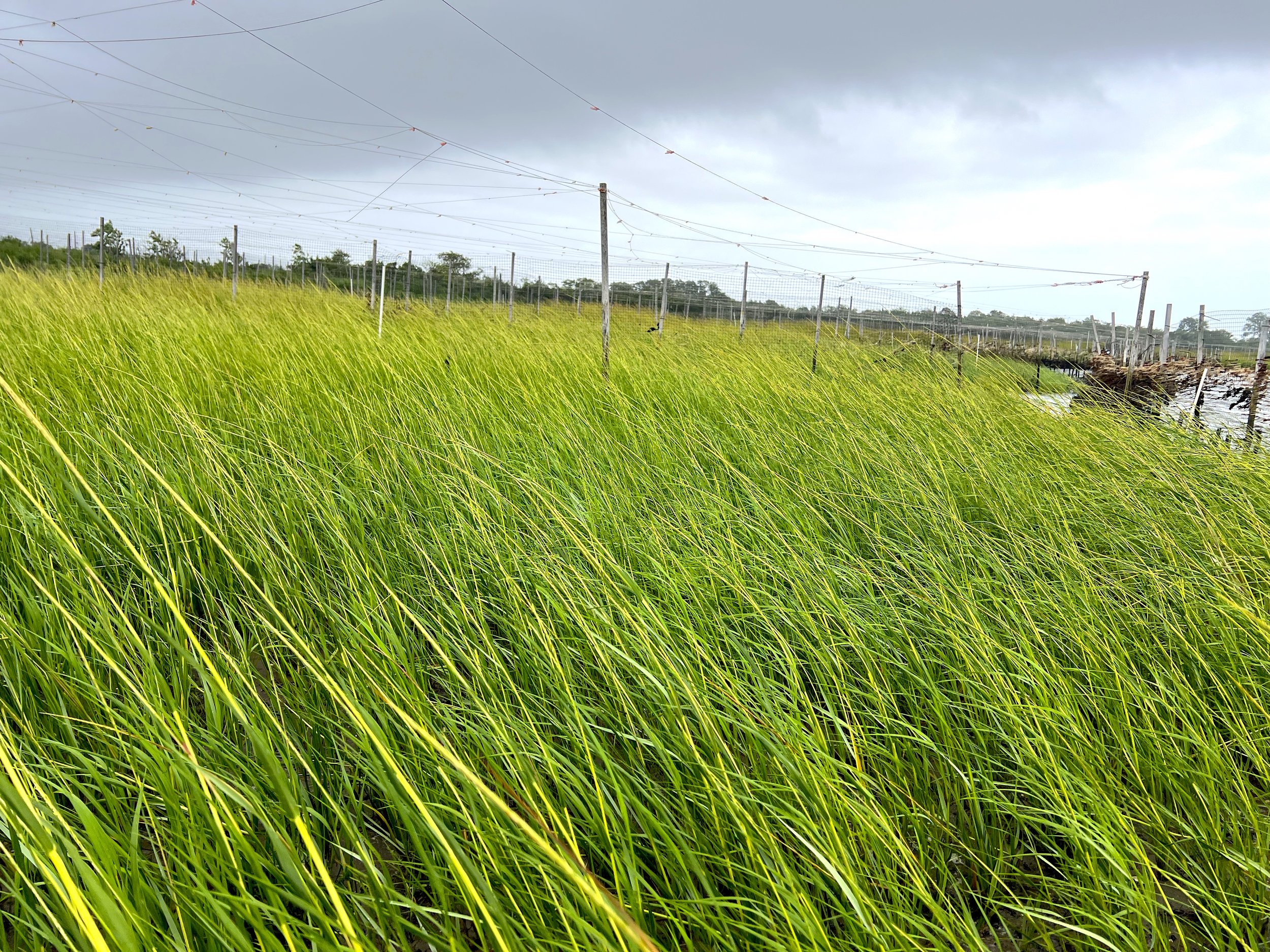
Today the shoreline protecting the West Pond at the Jamaica Bay Wildlife Refuge is showing real signs of recovery. Native marsh grasses are growing, sediment is accumulating, and new habitat is forming along the water’s edge.
The progress we see today is the result of adaptive management — a process of observing, learning, testing new ideas, and responding to what the landscape tells us. Working in a dynamic tidal environment like Jamaica Bay means that setbacks are inevitable. Early failures became critical feedback that helped guide the project forward. We monitored the shoreline closely, piloted new techniques, and adjusted our approach as conditions changed.
When something worked, we scaled it. When it didn’t, we adapted.
Photos 2021 - Present